Strength training guides
Articles about strength training, workouts, and nutrition.
Do You Need to Feel Sore to Build Muscle?
Soreness is not required for muscle growth: judge workouts by comparable sets and sustained progress.
Barbell or Dumbbell Bench Press: Which Should You Choose?
Barbell or dumbbell bench press: choose by goal, then compare genuinely comparable sets.
Long Femurs in the Squat: Should You Raise Your Heels?
Long thighs in the squat: when to try raised heels, how to compare sets and when to keep flat shoes.
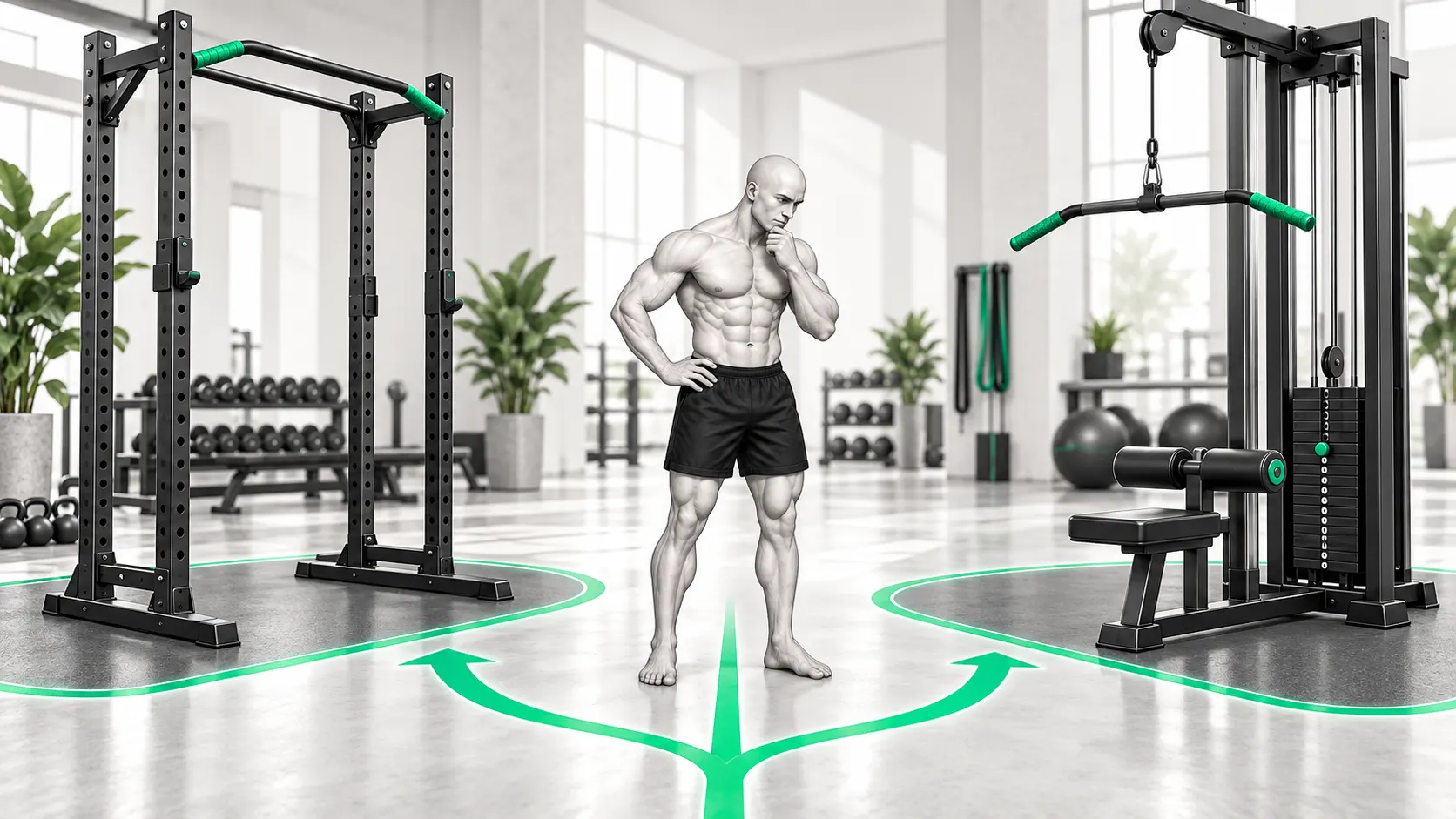
Pull-Ups or Lat Pulldowns: Which Should You Choose for Your Back?
Pull-ups or lat pulldowns: choose around your goal, clean repetitions, and a load you can progress.
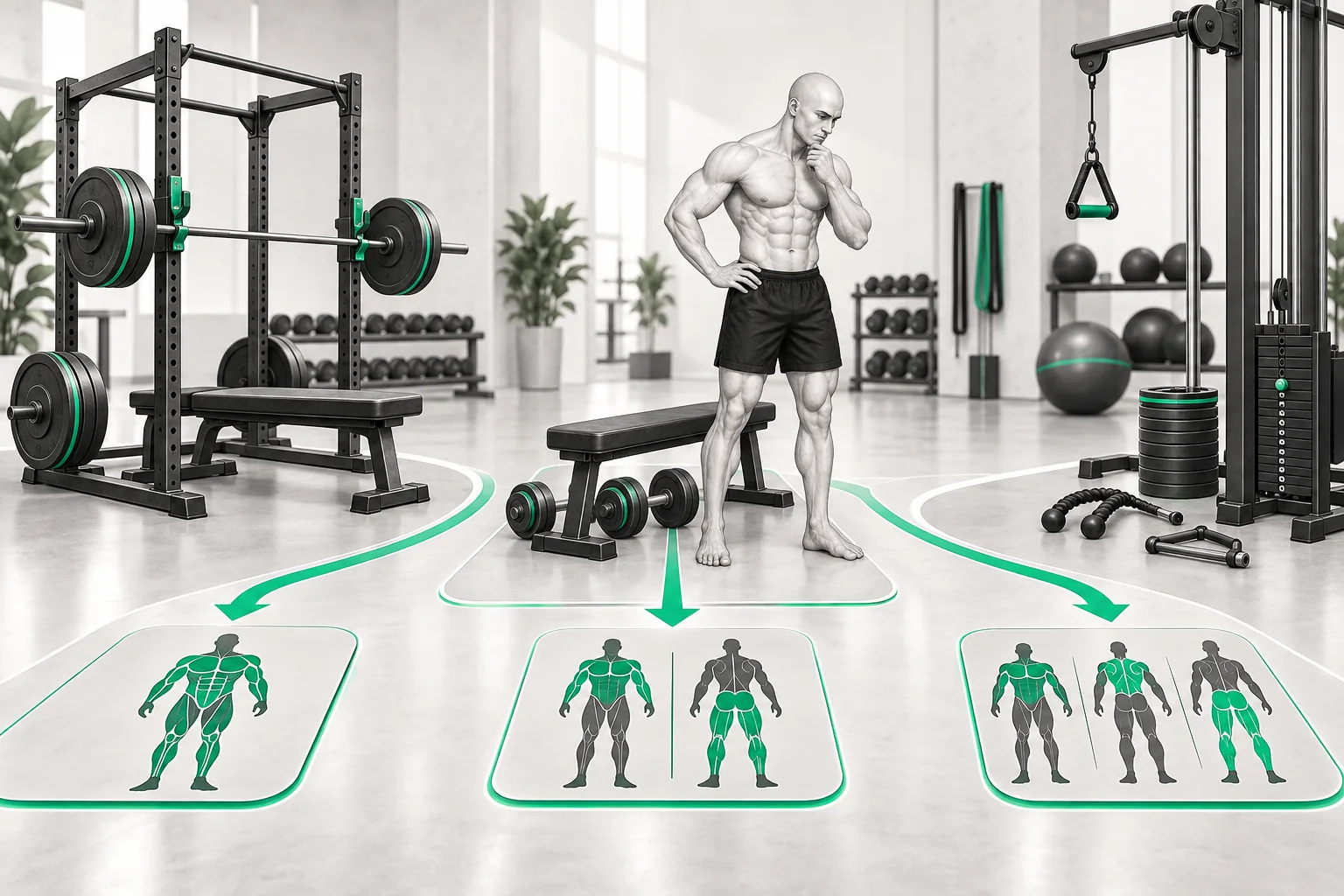
Full Body, Upper/Lower, or Push Pull Legs: How Do You Choose?
Choose full body, upper/lower, or push pull legs around your available days, session length, and weekly sets.
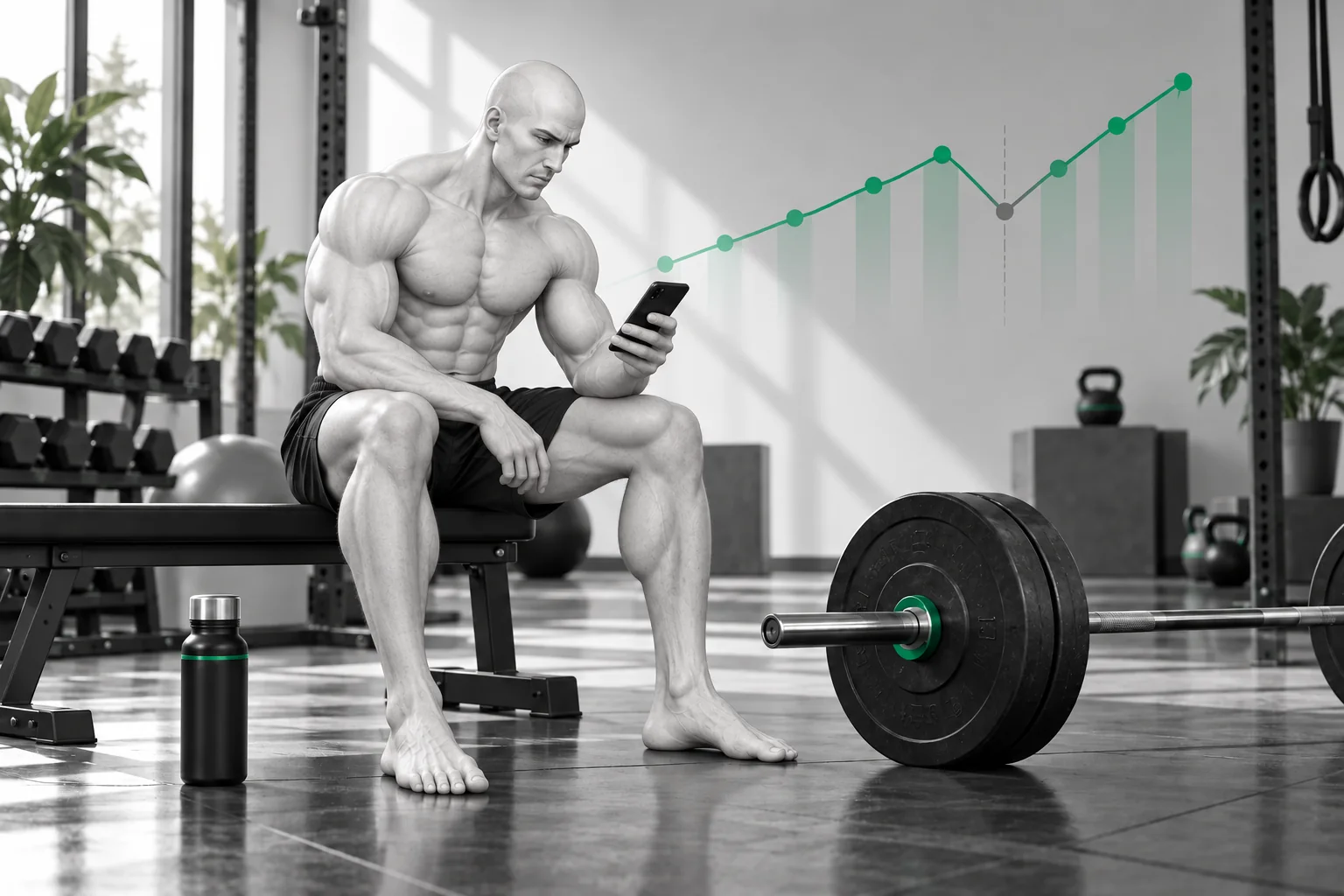
What Should You Do If One Workout Goes Worse?
One weaker workout does not prove a plateau: compare sets, adjust today’s load, and check the trend.
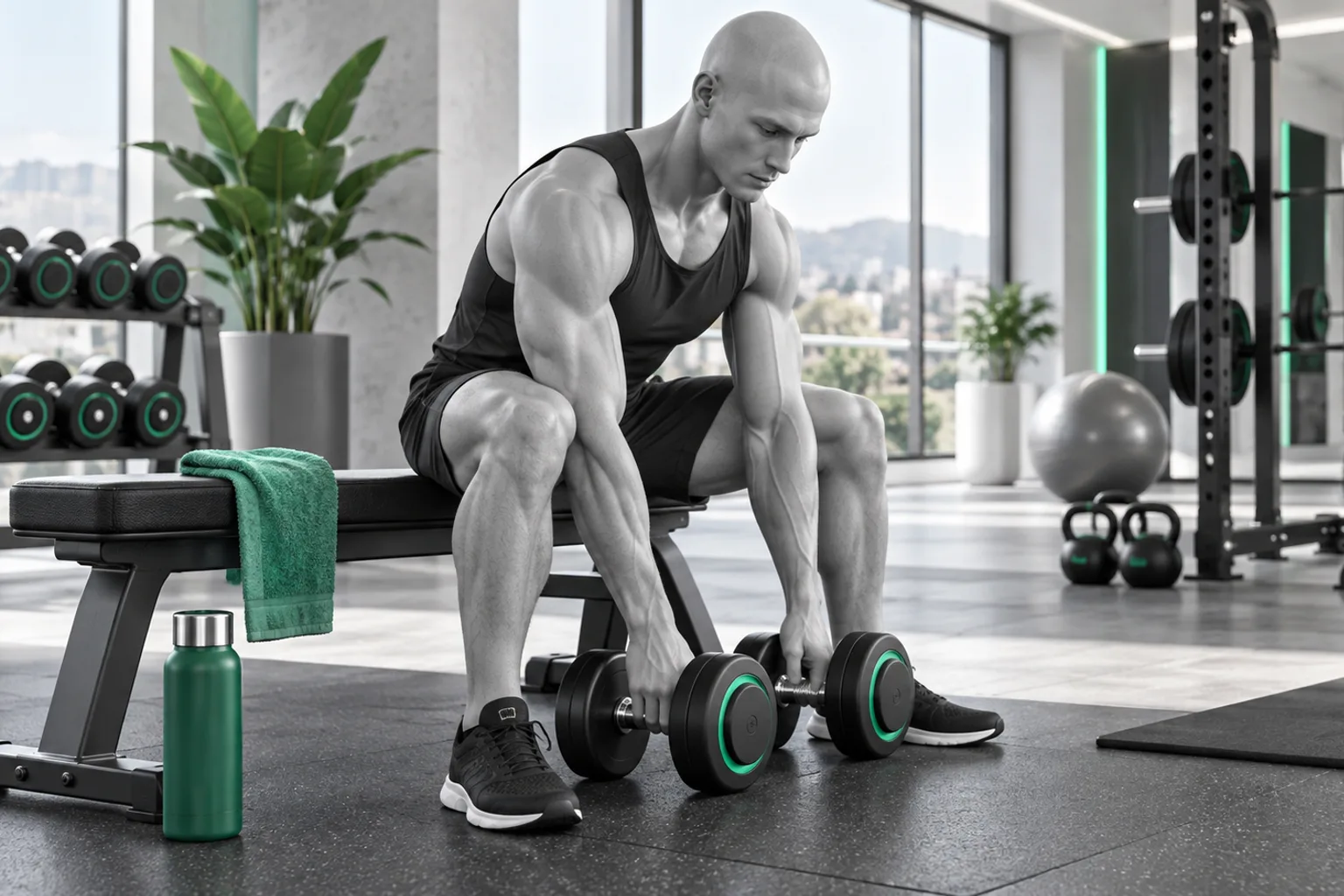
How Do You Return to Strength Training After a Break?
Returning to strength training after a break: choose a suitable load, ease back into volume, and track comparable workouts.
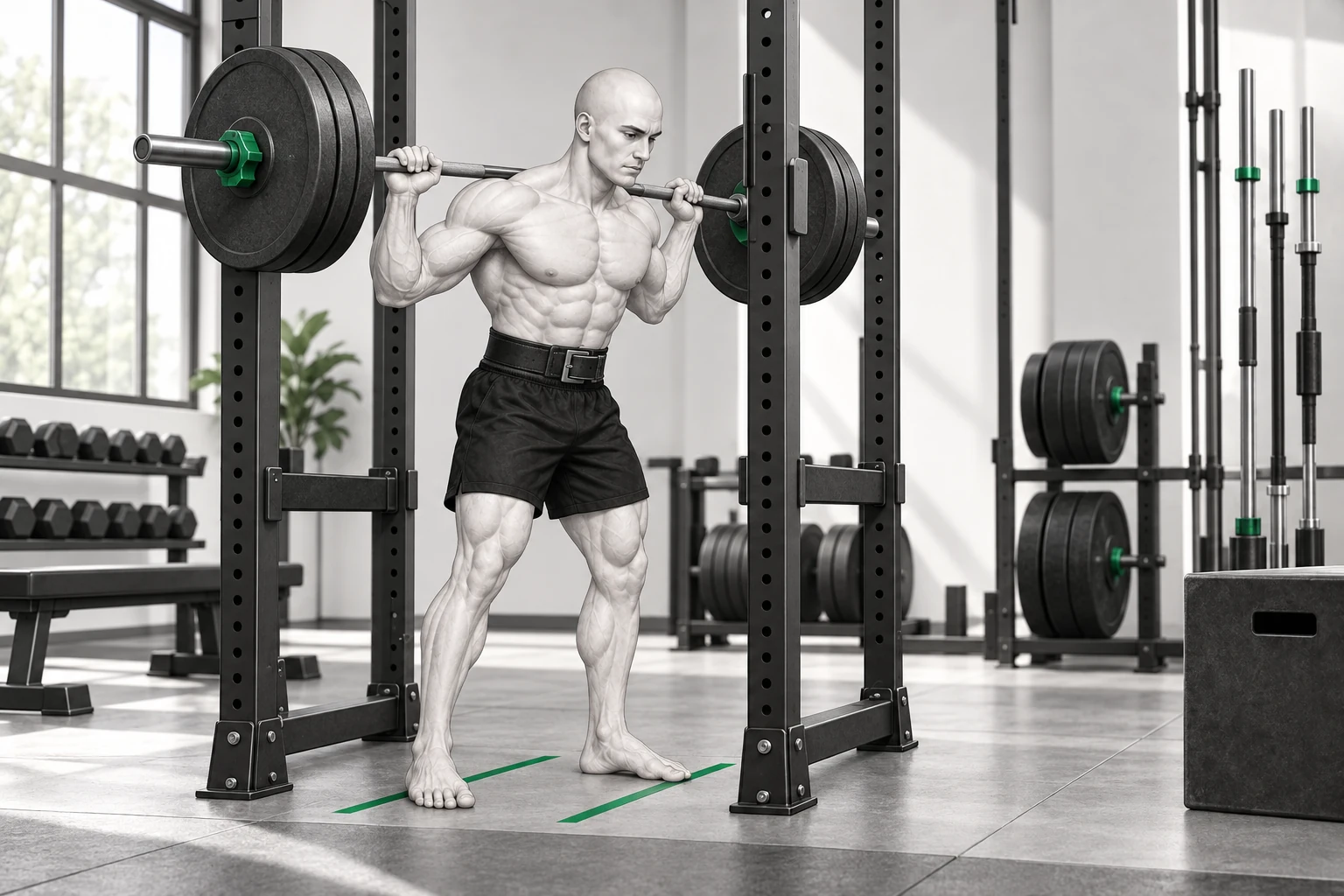
Should You Wear a Belt for Squats and Deadlifts?
When to wear a lifting belt for squats or deadlifts, and how to compare sets with and without one.
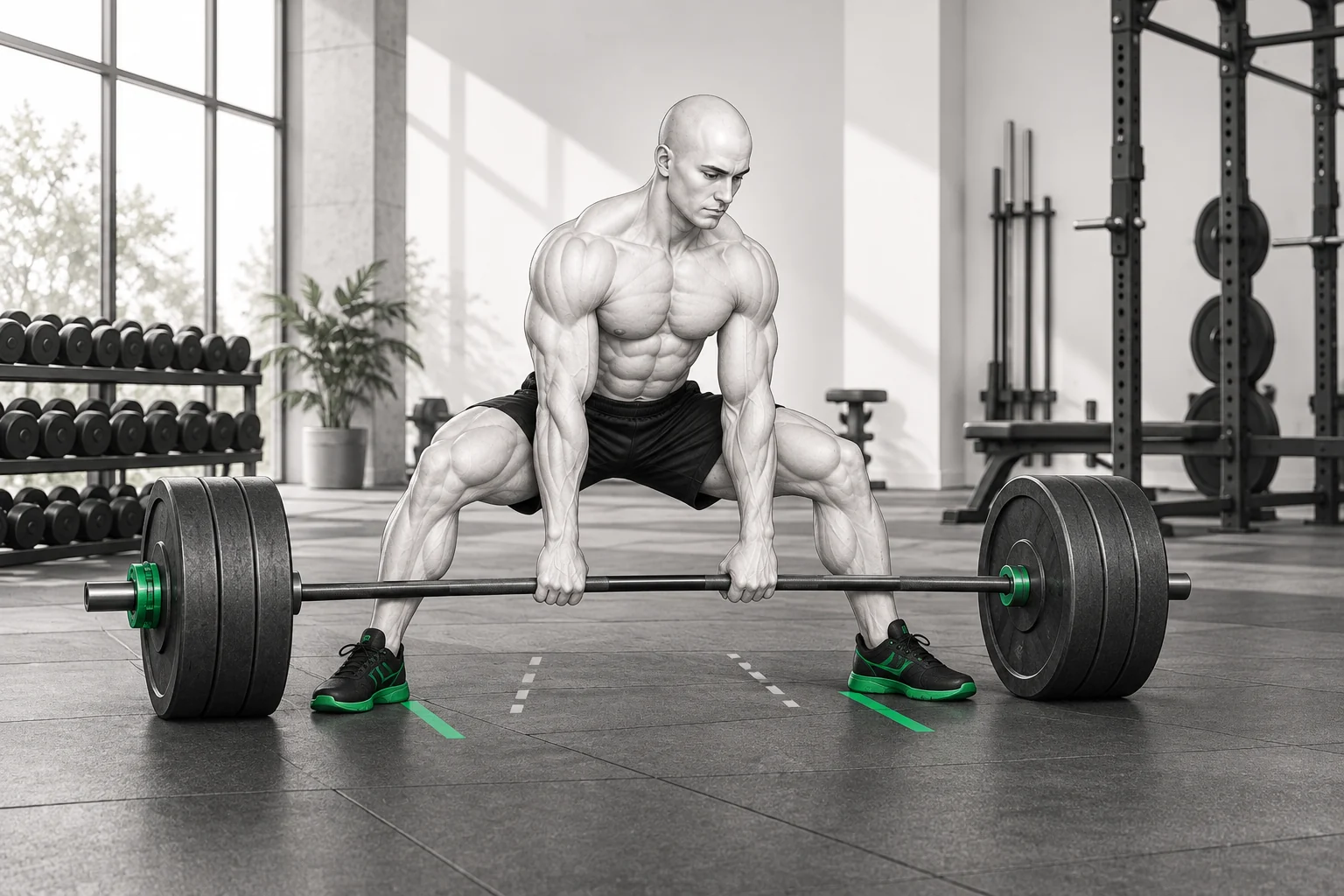
Sumo or Conventional Deadlift: How to Choose for Your Build
Sumo or conventional deadlift: compare your proportions, comfort and repeatable technique to choose a stance.
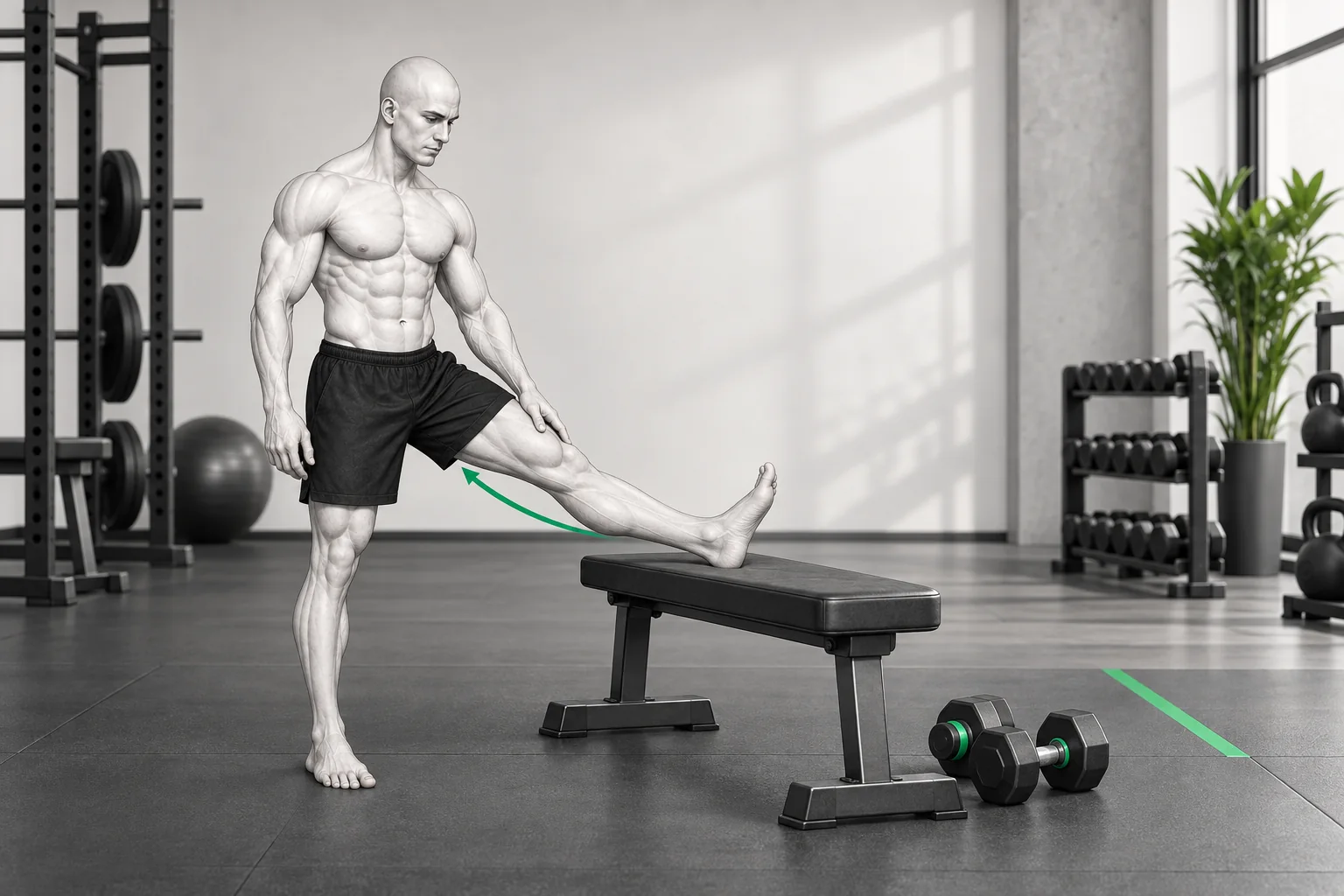
Does stretching after strength training reduce muscle soreness?
Do stretches after strength training prevent soreness? What systematic reviews found and how to decide whether to keep them in your workout.
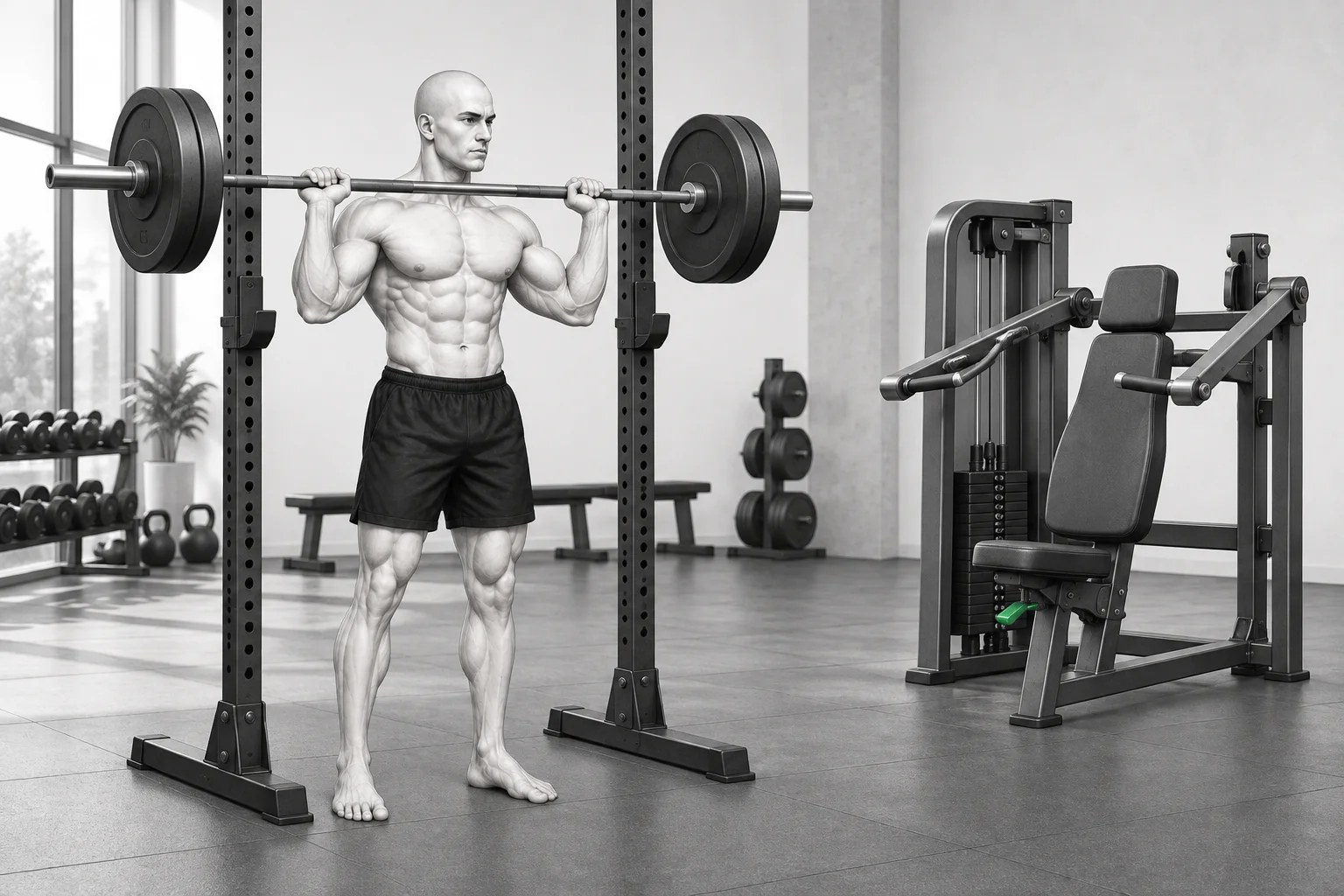
Barbell or machine shoulder press: which should you choose?
Barbell or machine for shoulder presses? Choose by strength goal, movement path and stability without mistaking a heavier number for a better result.
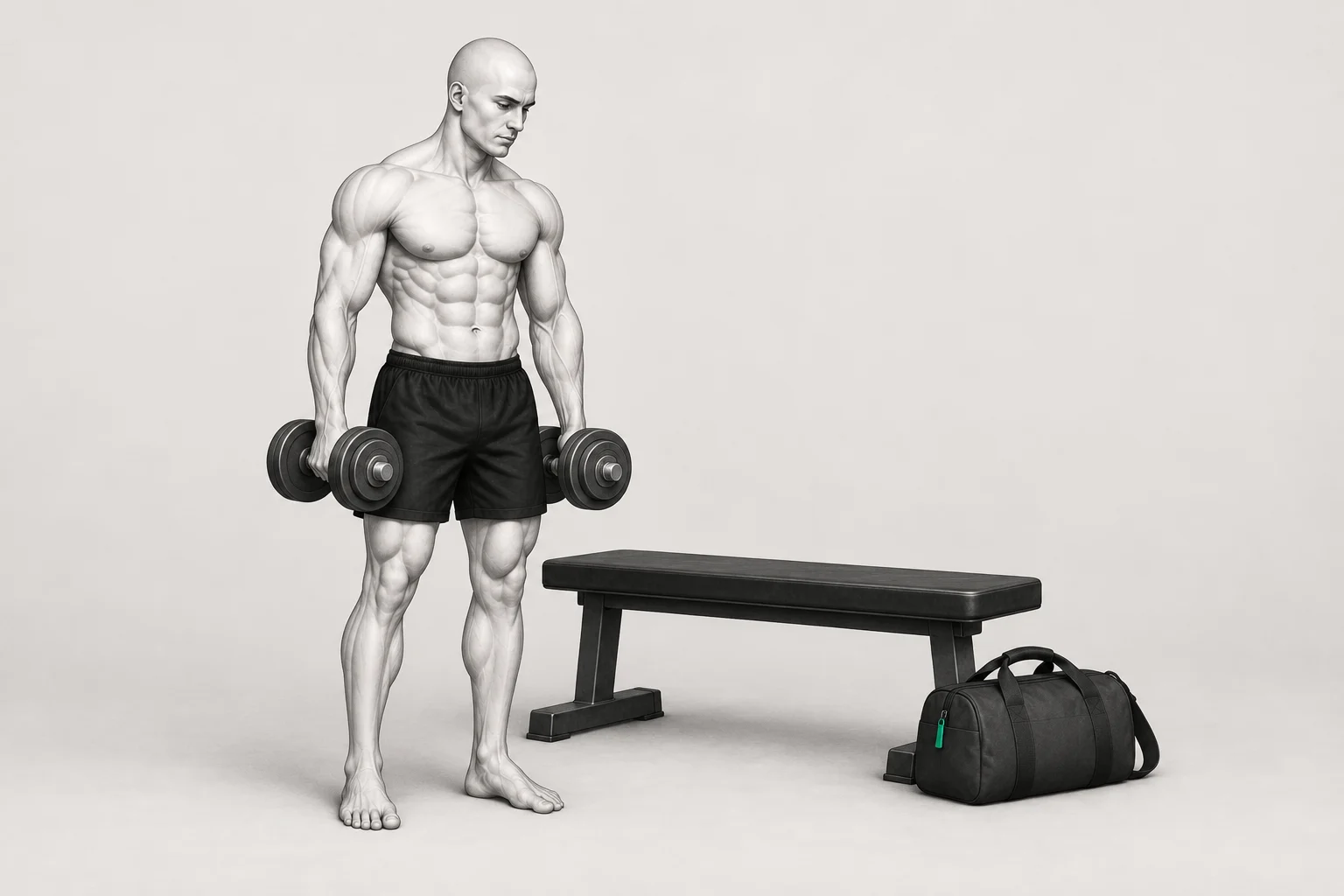
Is one workout a week enough to maintain your gains?
A busy spell? Plan a maintenance workout, keep your working sets challenging and check your reference performances without assuming a universal minimum.
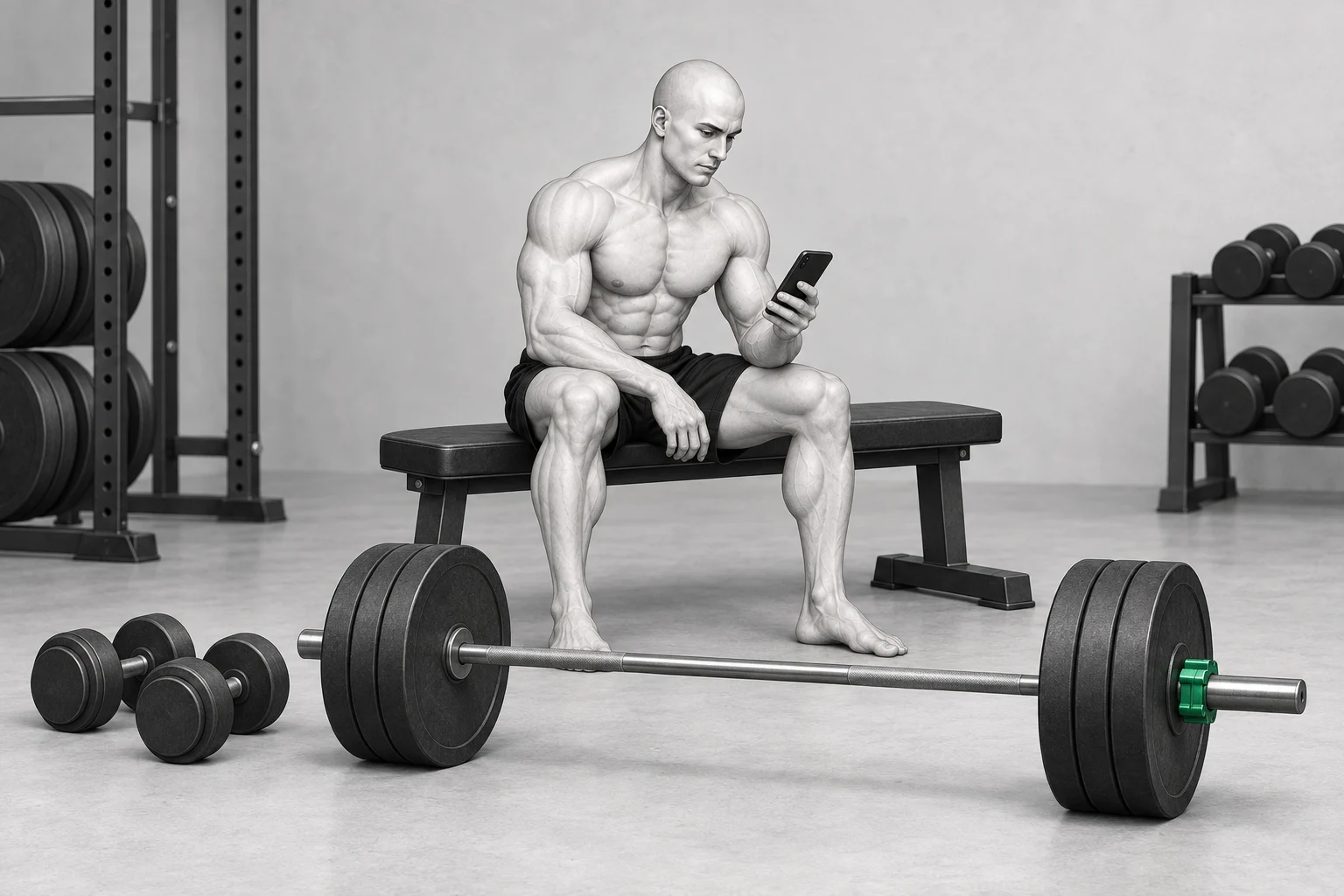
What weight should you log for barbells, dumbbells and machines?
Bar included, weight per dumbbell or the machine setting: use a clear convention so your log does not show false progress.
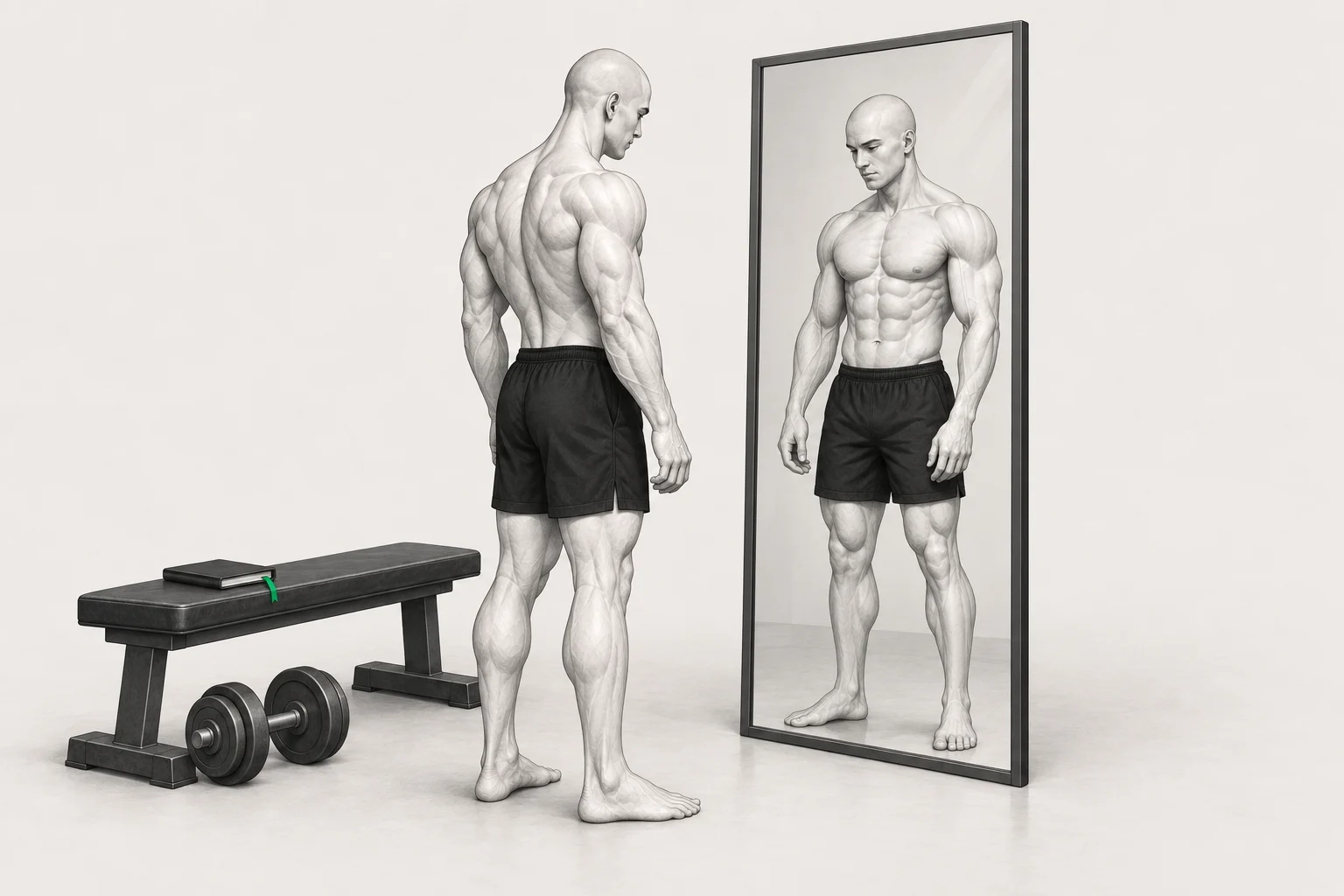
How long does it take to see results from strength training?
Separate strength gains from visible changes, then set a realistic first review without expecting a transformation in a few workouts.
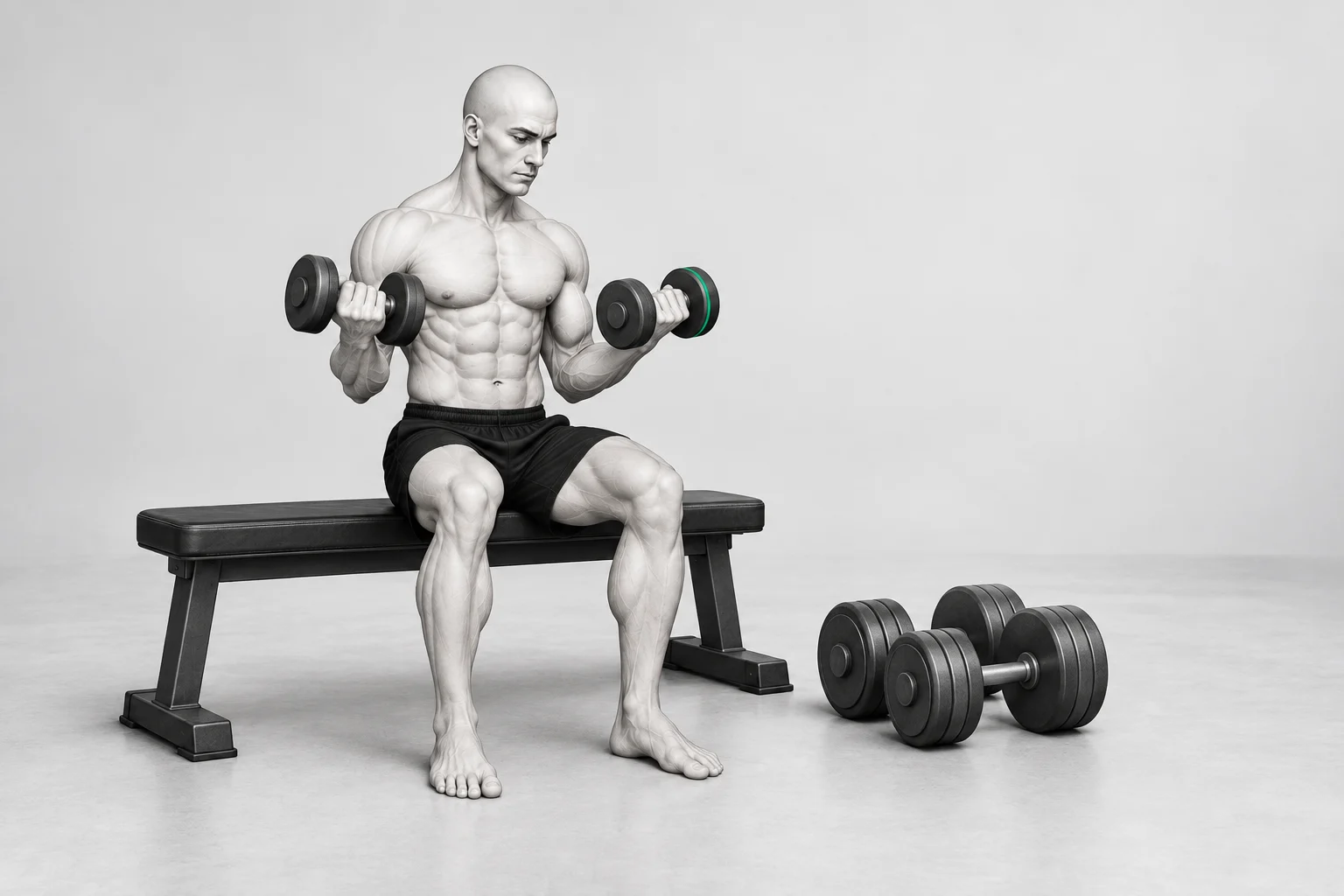
Drop sets vs. traditional sets: which should you use to build muscle?
When reducing weight without rest can save time, how to try a drop set and track each stage without promising extra muscle growth.
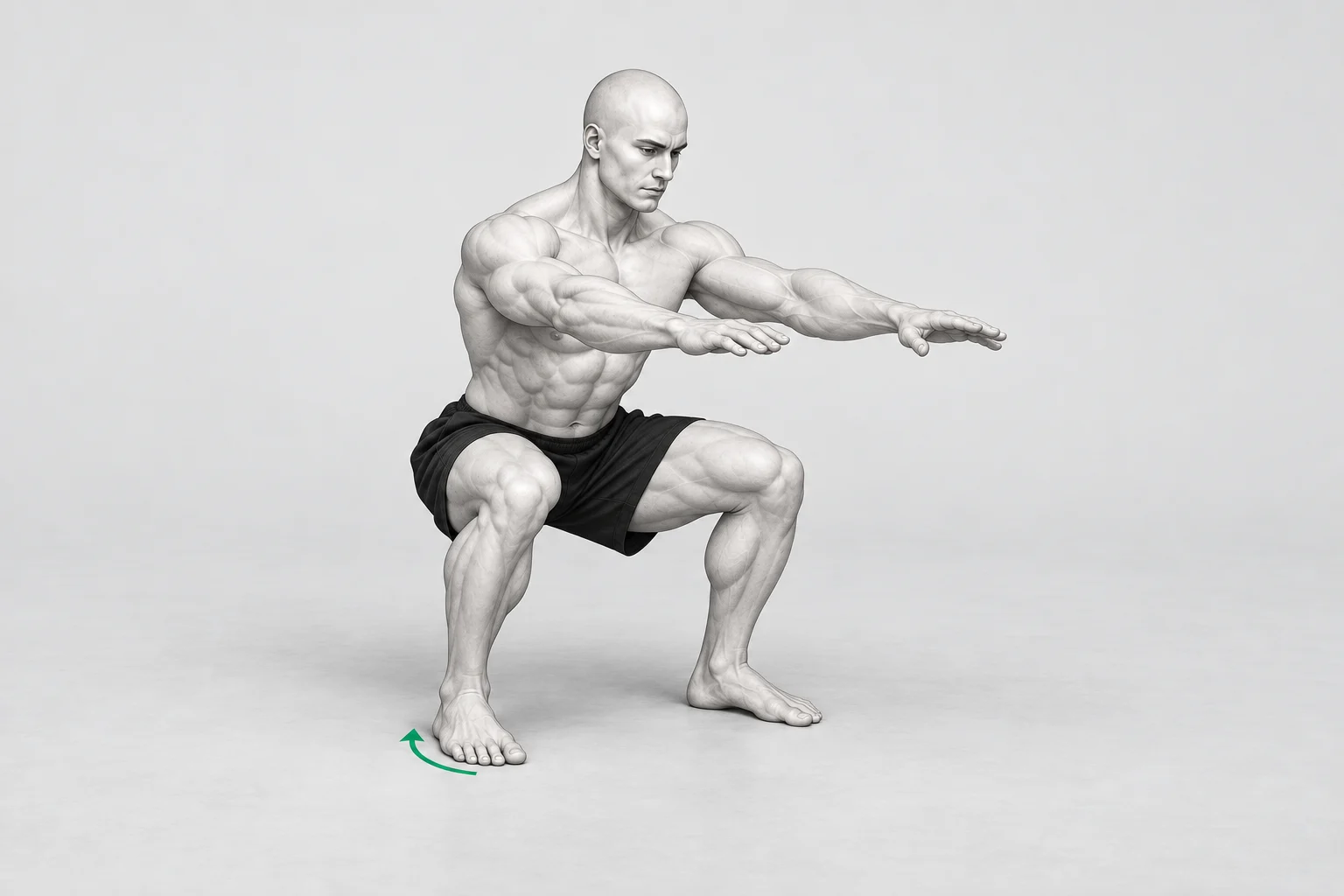
Squat stance: how wide should your feet be and how far should your toes turn out?
Stance width, toe angle and body proportions: a simple way to find a stable, repeatable squat setup.
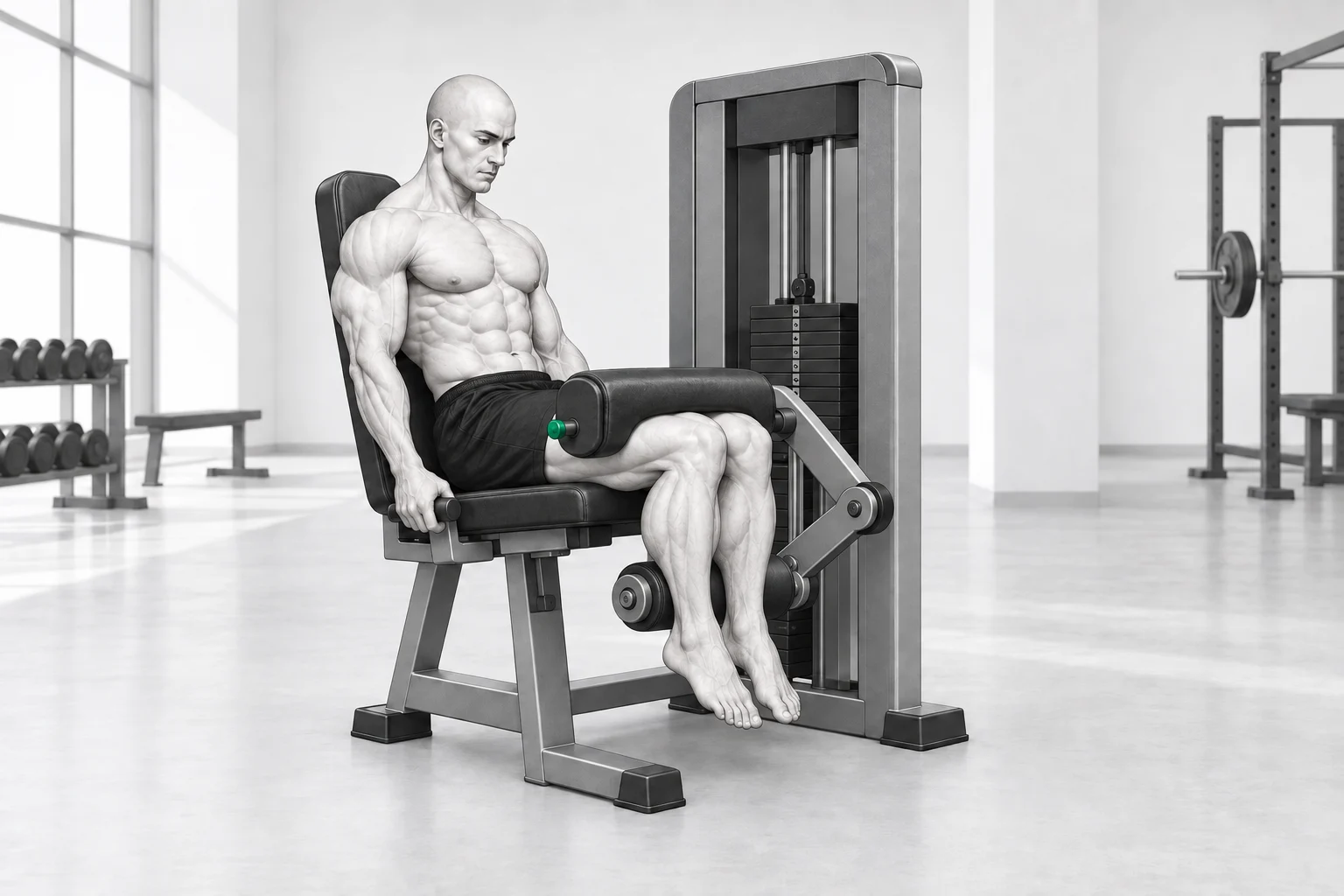
Seated or lying leg curl: which is better for your hamstrings?
Hip position, setup and substitutions: choose a leg curl variation without comparing weights across machines.
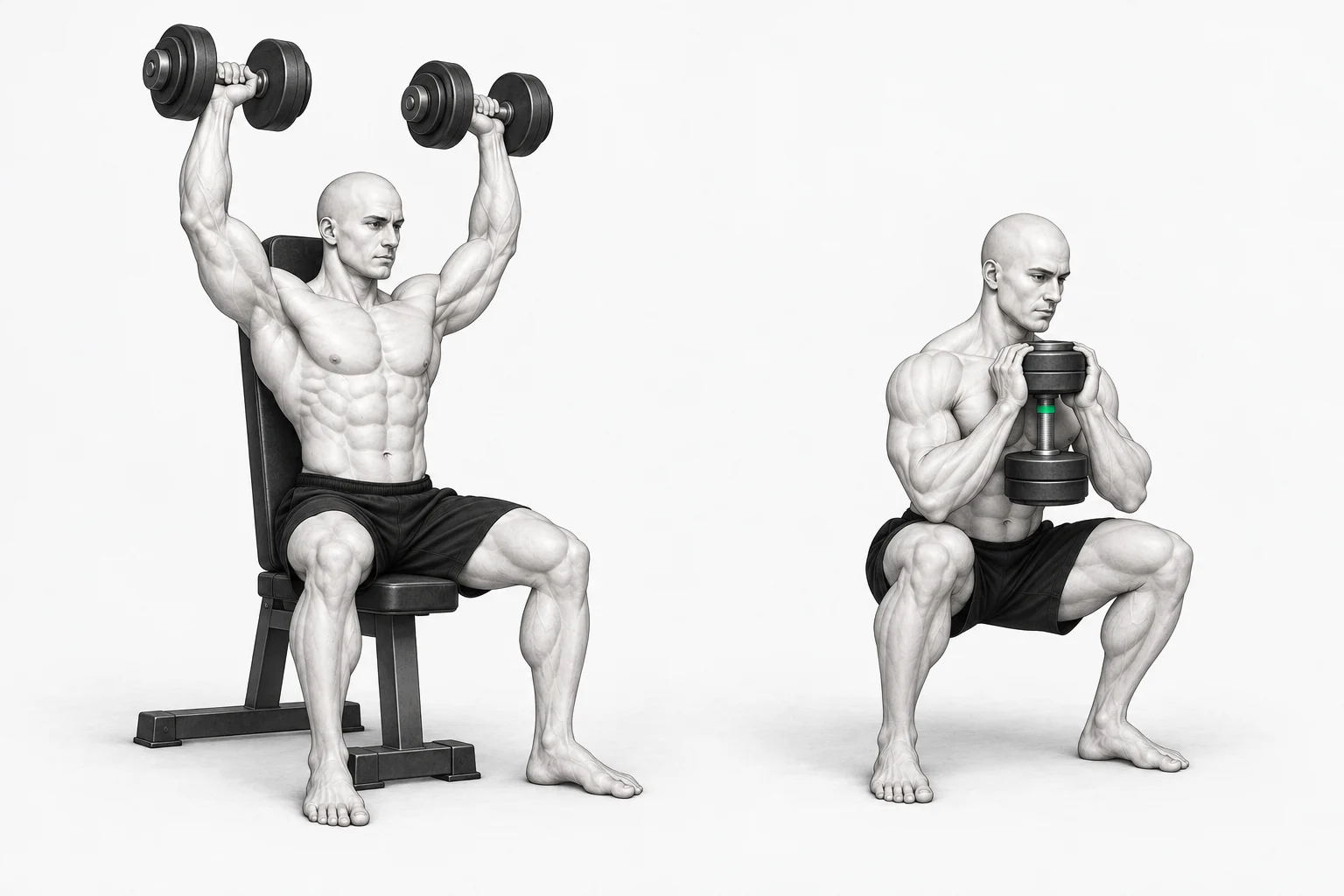
Can you lift weights two days in a row?
Upper/lower or full body, muscle overlap and scheduling: practical criteria for back-to-back workouts.
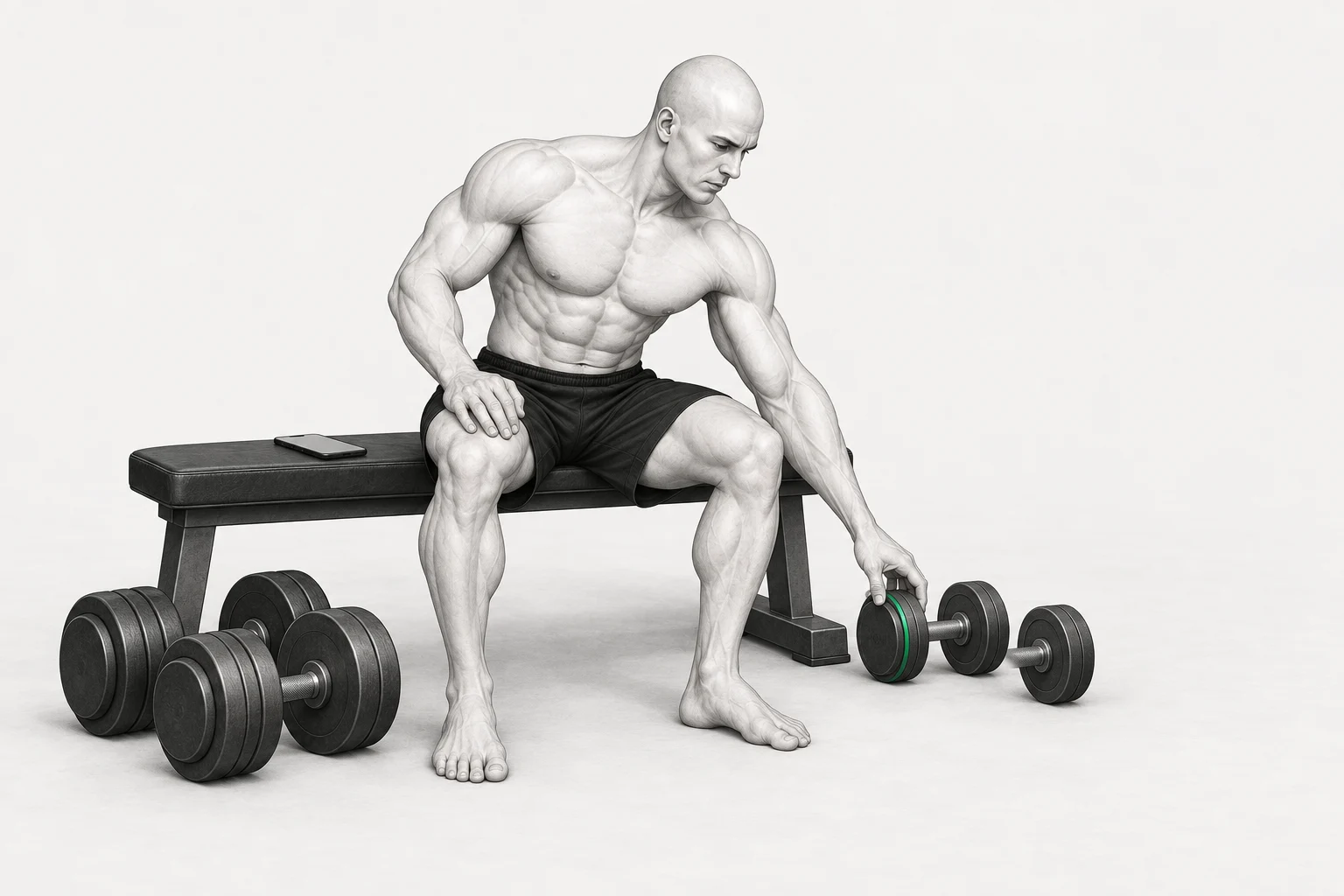
Should you use the same weight for every set?
Fixed or adjusted weight: when to reduce the load and how to log every set accurately.
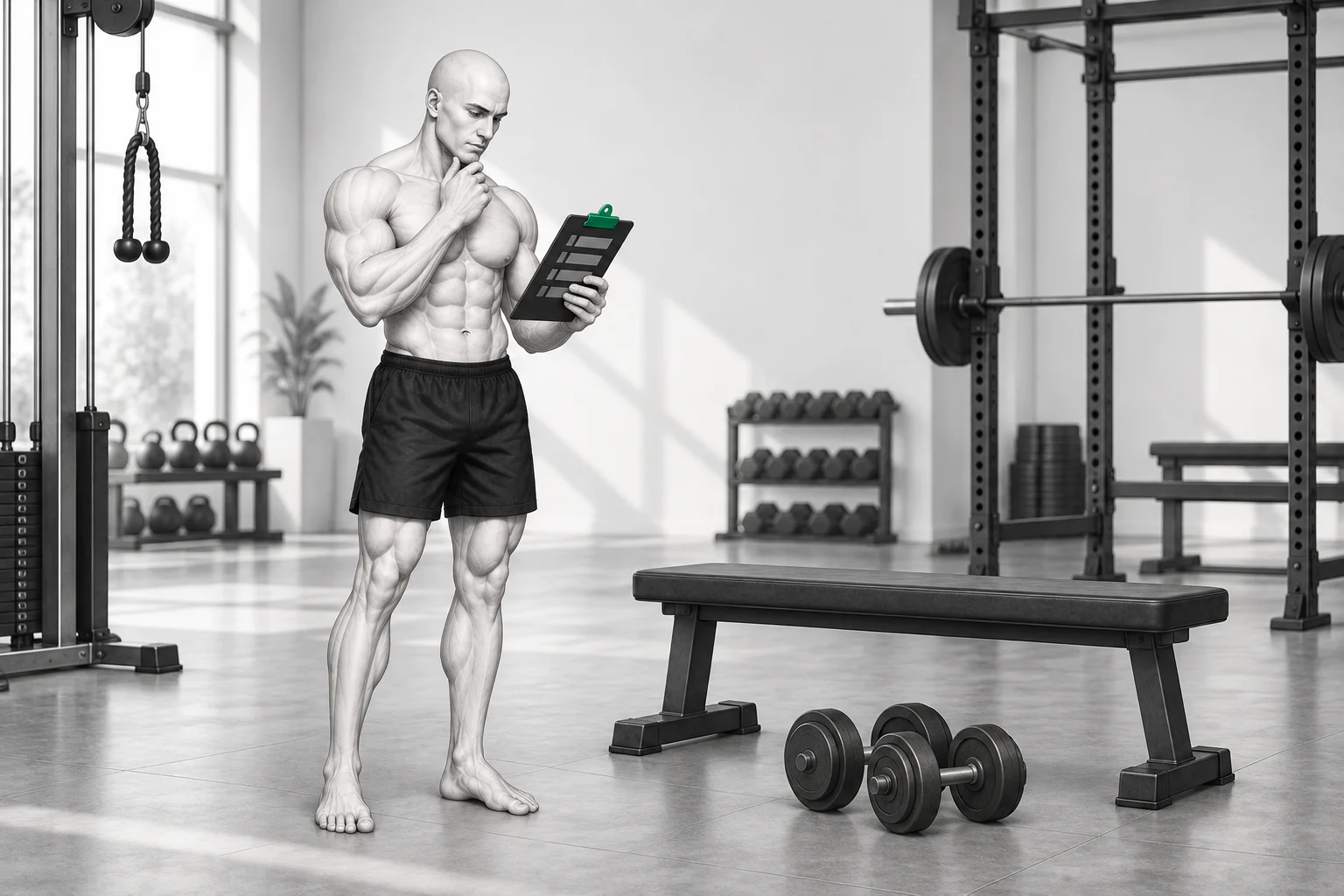
How many exercises should you do per workout?
A short, complementary list, a five-exercise example and criteria for adding or removing a movement.
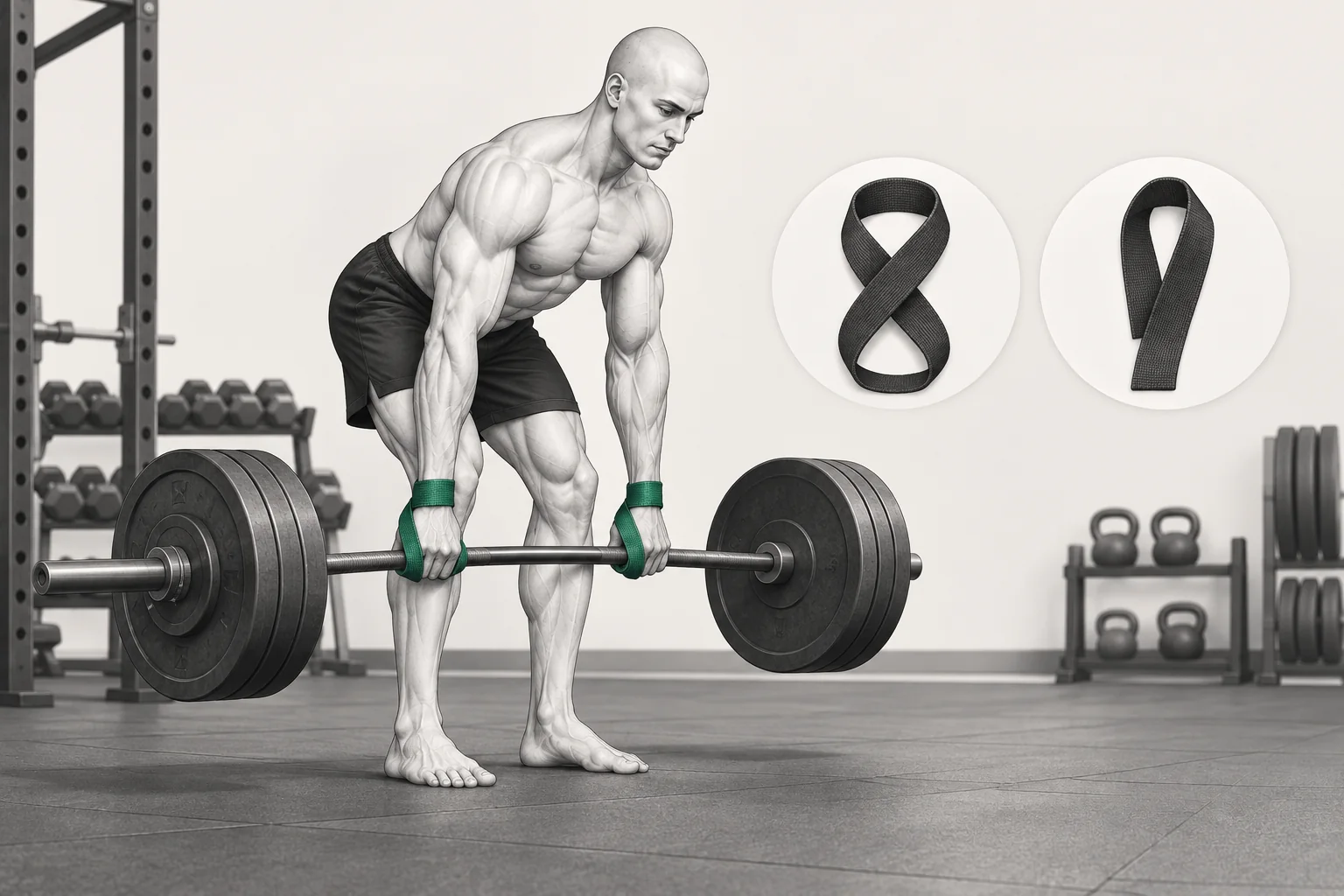
Should you use lifting straps?
Lasso, Olympic, figure-eight, grips, or hooks: choose the right model for the movement and release you need.

Should You Arch Your Back During the Bench Press?
A stable arch based on your goal, proportions, and competition rules.

When should you take protein for strength training?
Daily total, distributed doses, session and bedtime: priorities without a magic window.
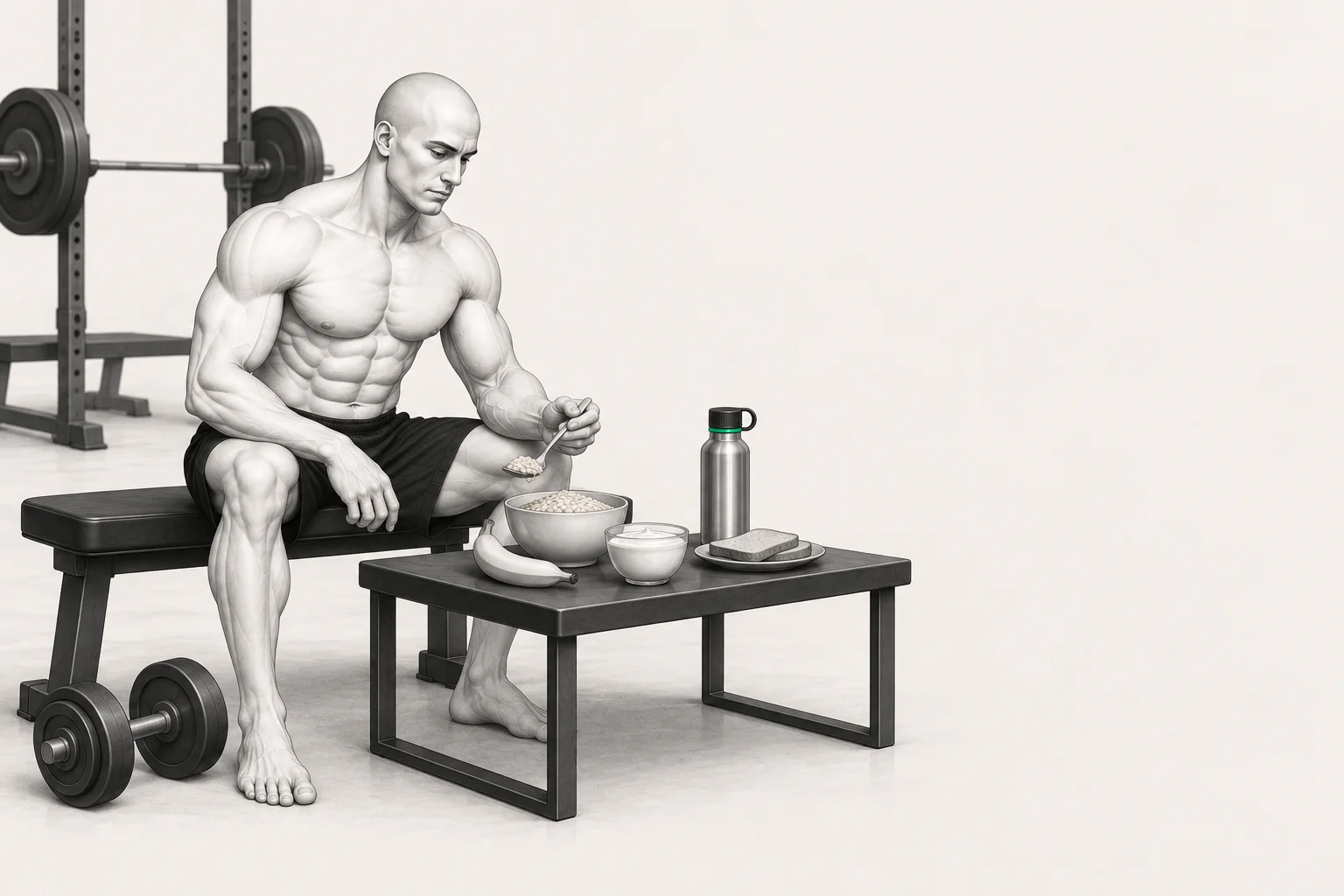
What should you eat before strength training?
A meal or snack based on timing, hunger, digestion, and planned training volume.
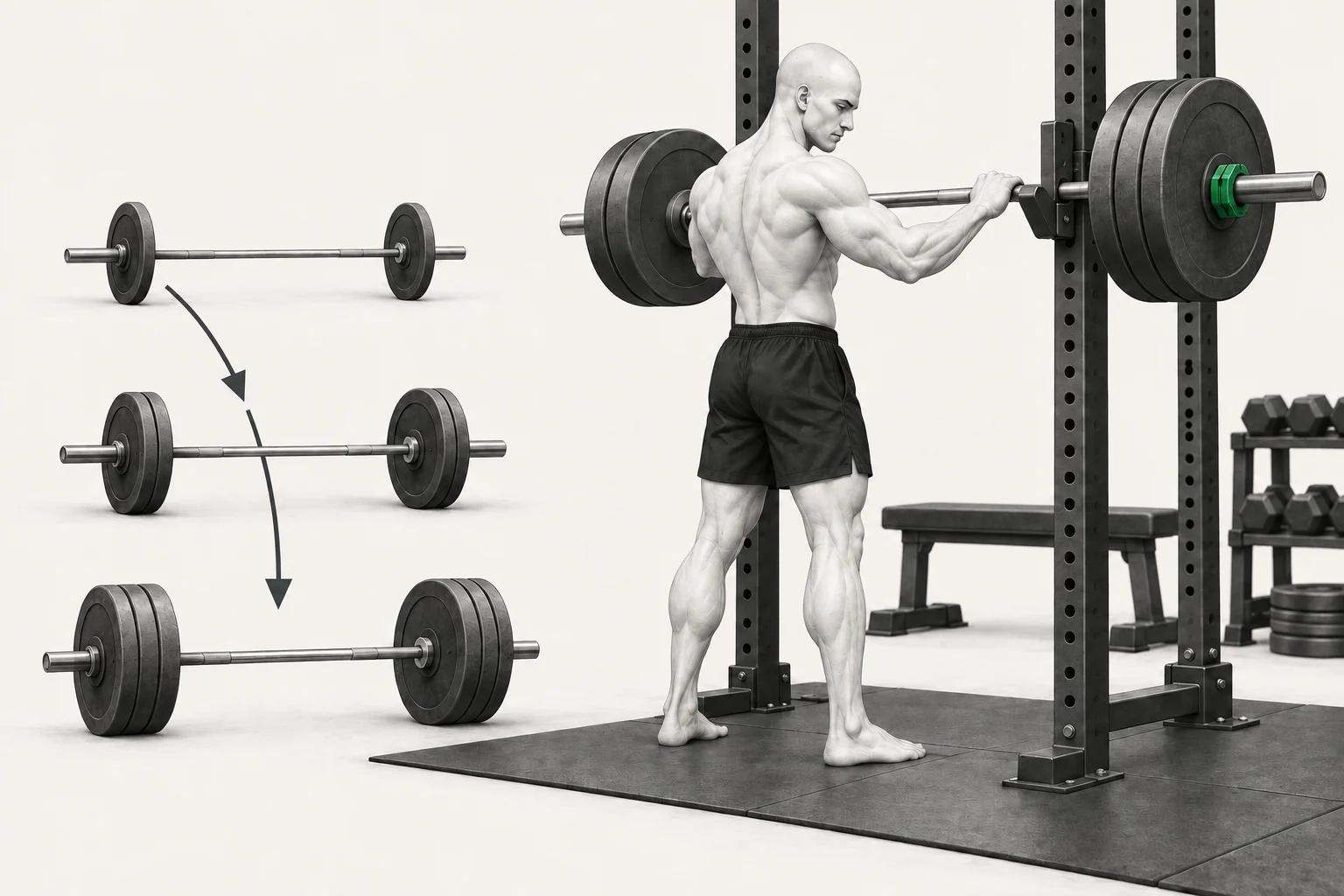
How Many Warm-Up Sets Should You Do?
A progressive ramp-up based on the exercise, target load, and position in the workout.
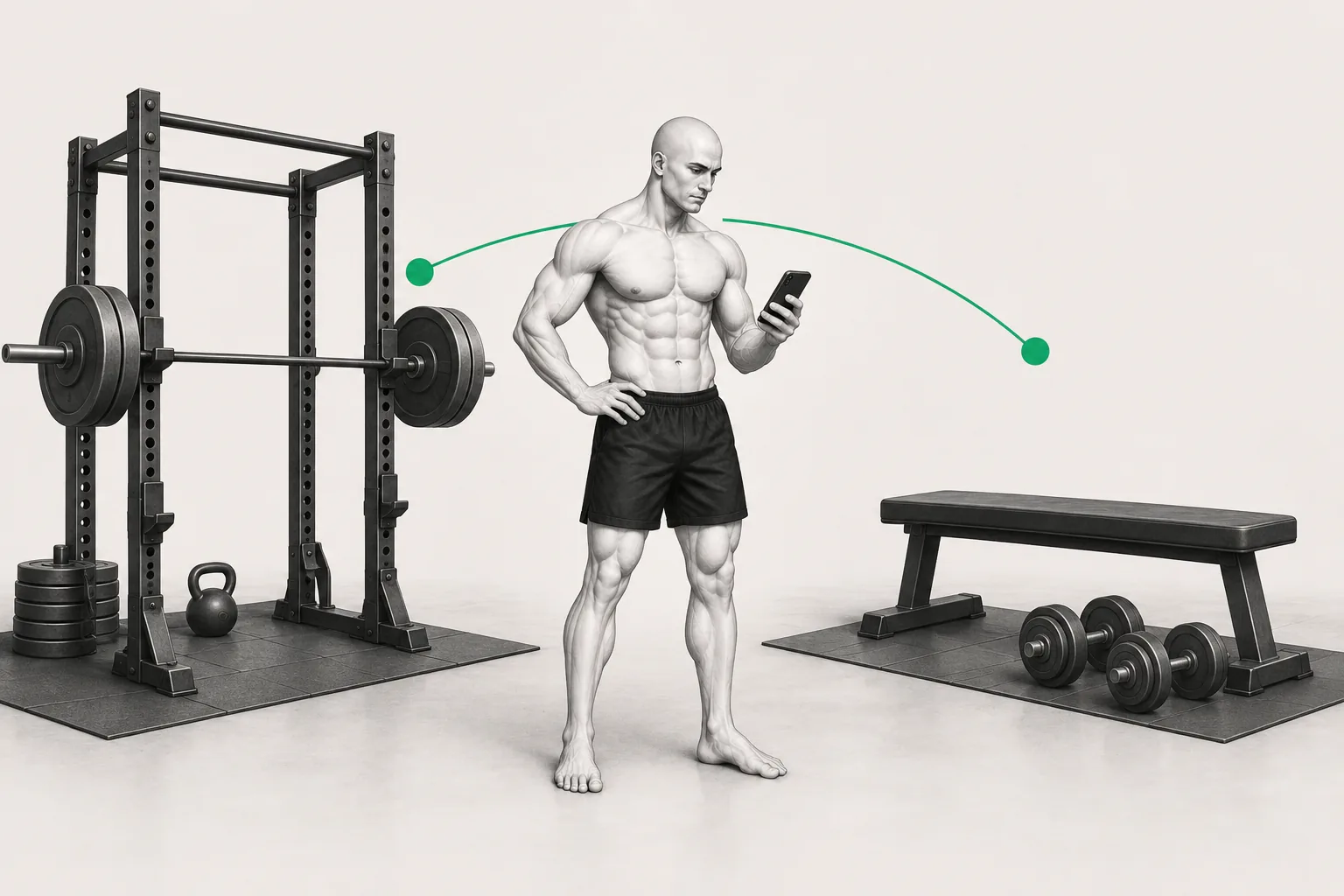
How Do You Organize a Two-Day Program?
Two full-body workouts, the movement patterns to cover, a complete example, and a progression method.
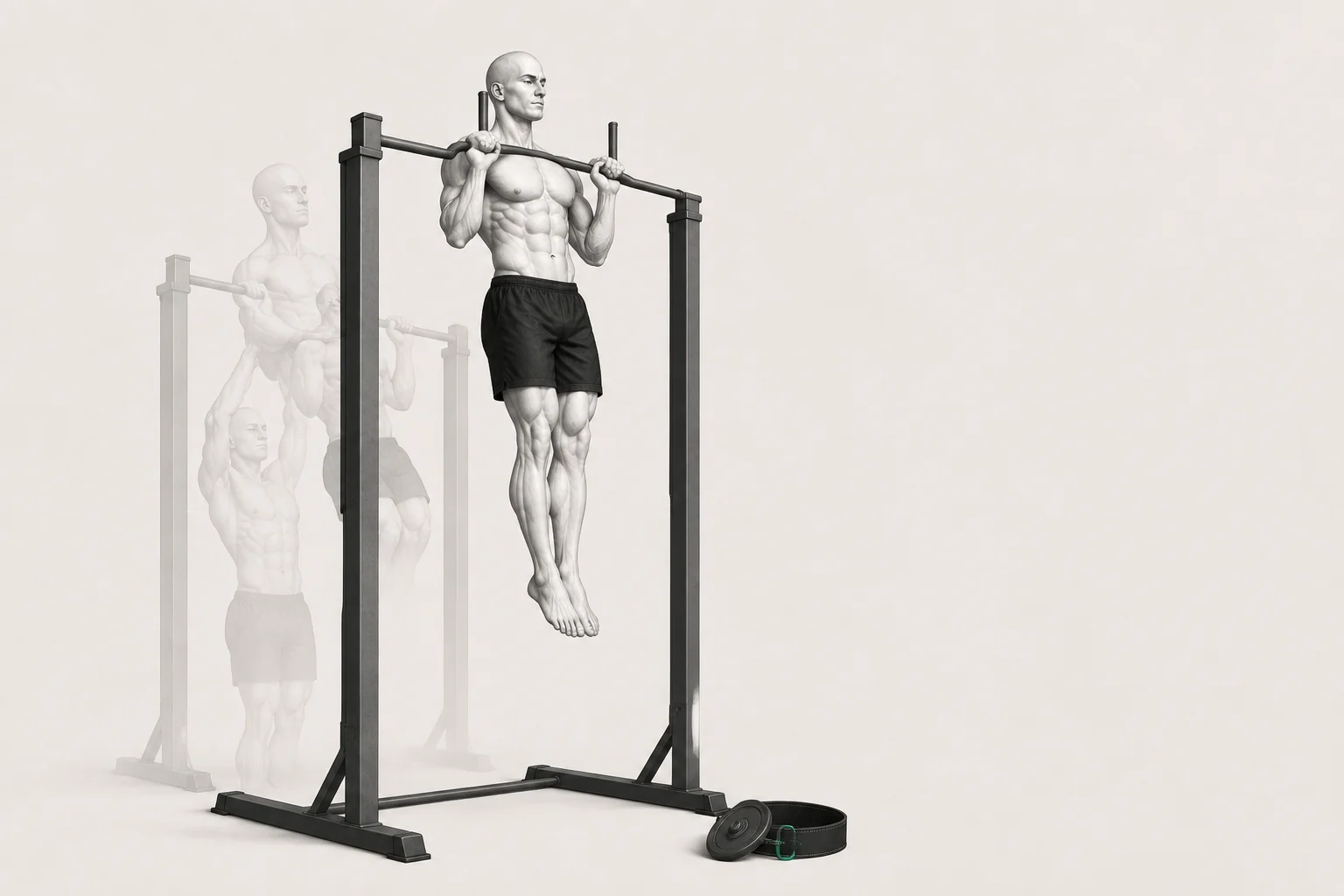
How Do You Track Bodyweight Progress?
Variation, reps, RIR, assistance, and added weight: the benchmarks to compare without distorting your history.
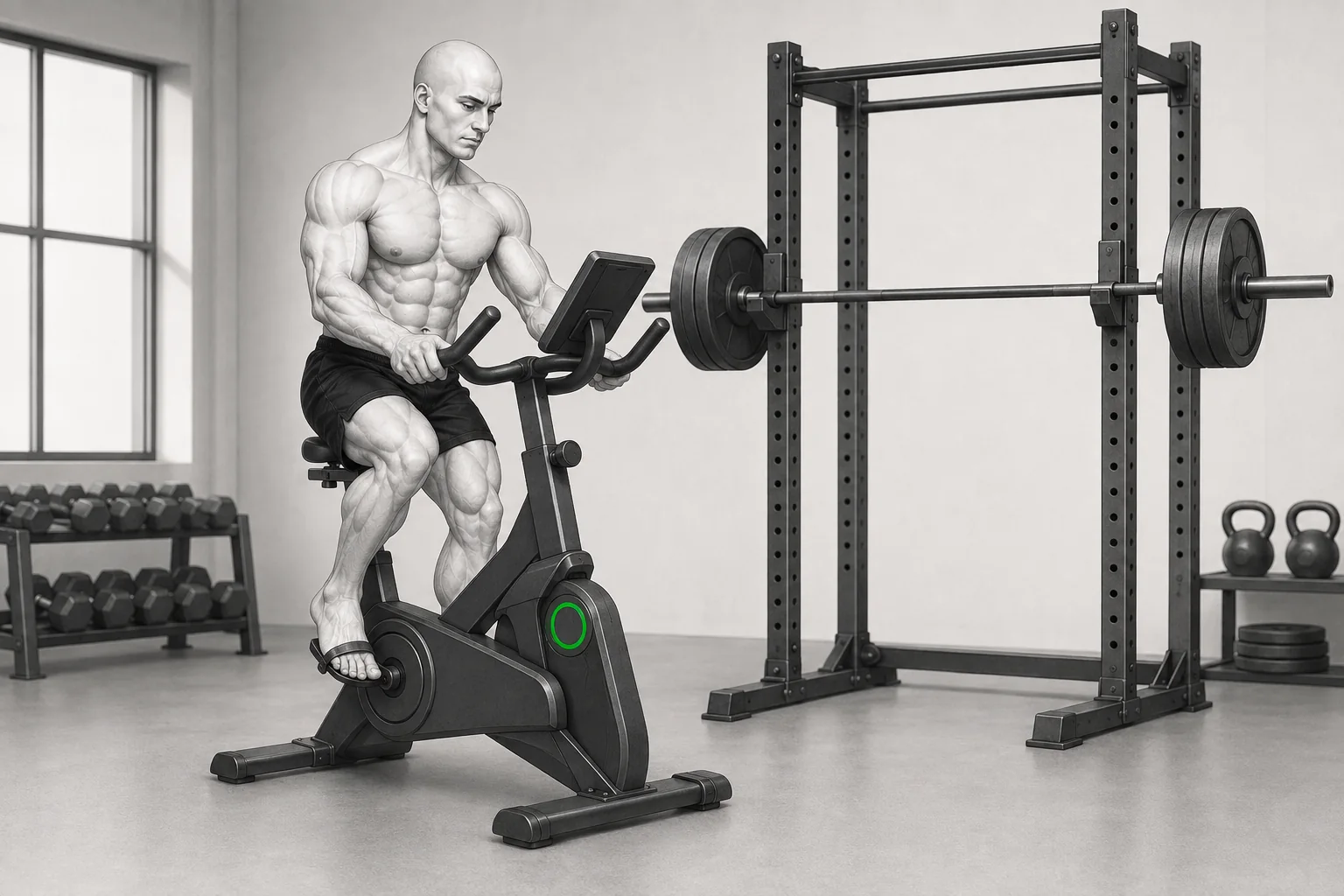
Cardio and Strength Training: Can You Do Both?
A method for dosing and scheduling cardio without sacrificing your priority sets.
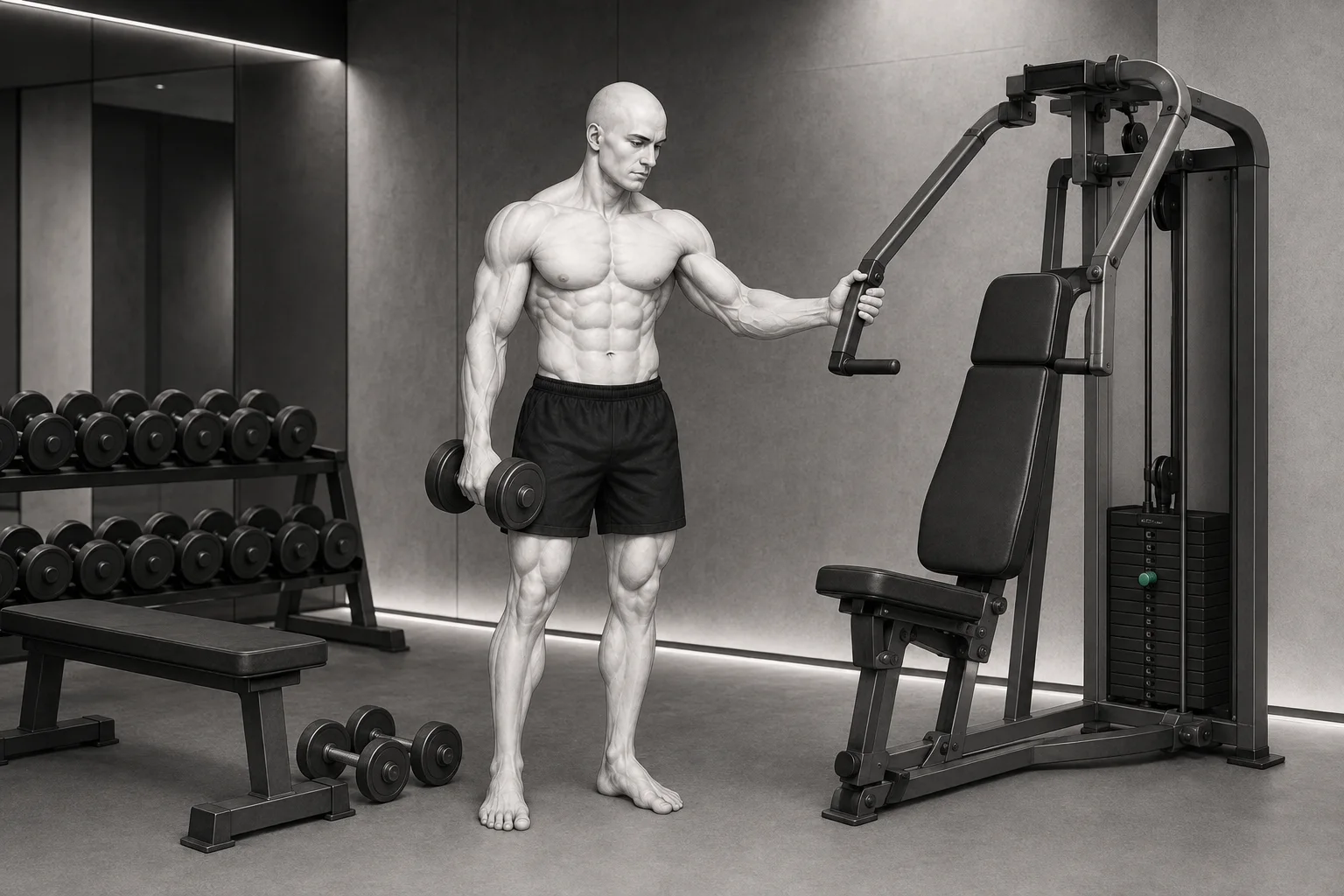
Machines or Free Weights: Which Should You Choose?
A practical comparison based on hypertrophy, strength, stability, and progression.
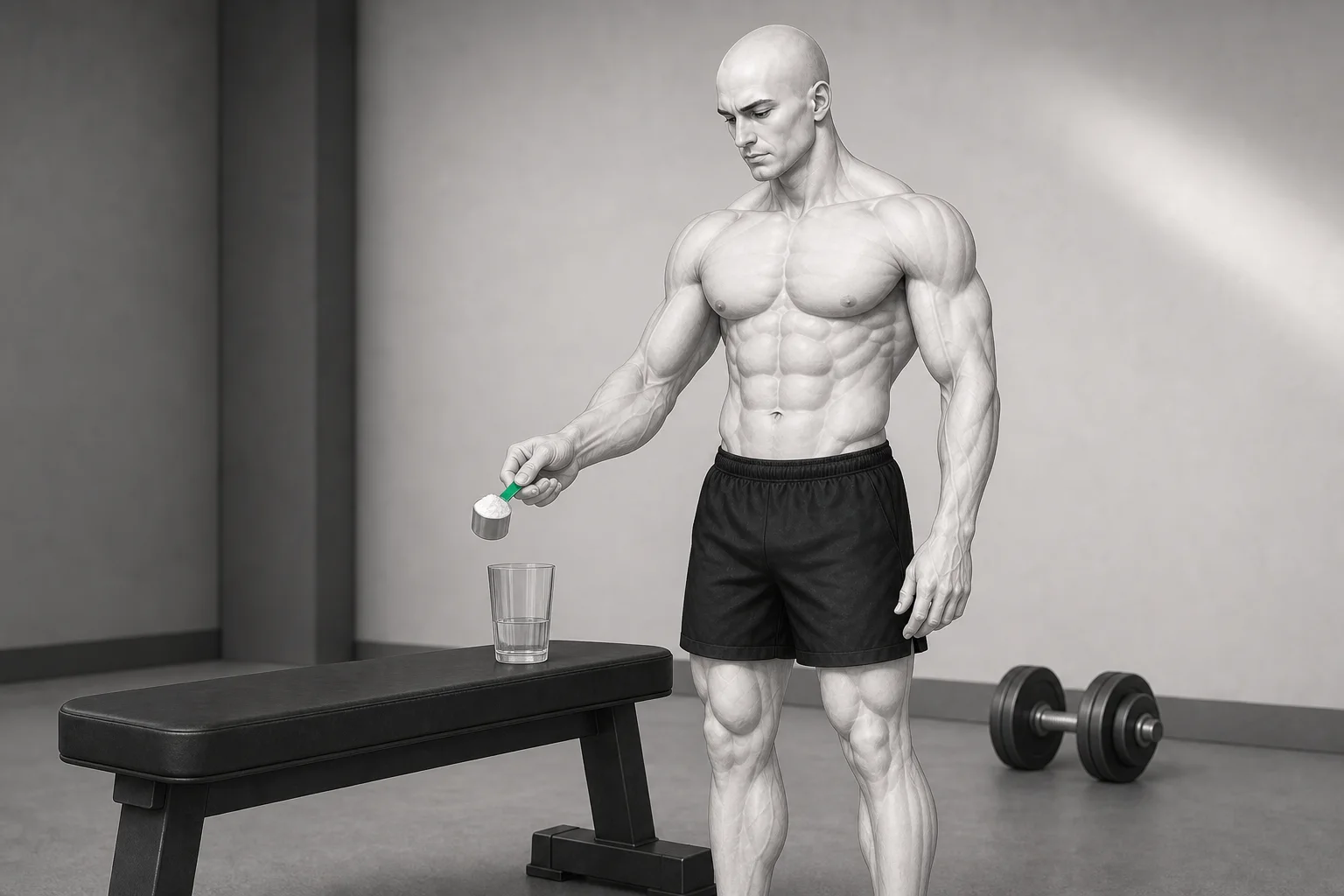
How Much Creatine Should You Take Per Day?
A simple daily dose, an optional loading phase, and practical criteria for choosing the form and timing.
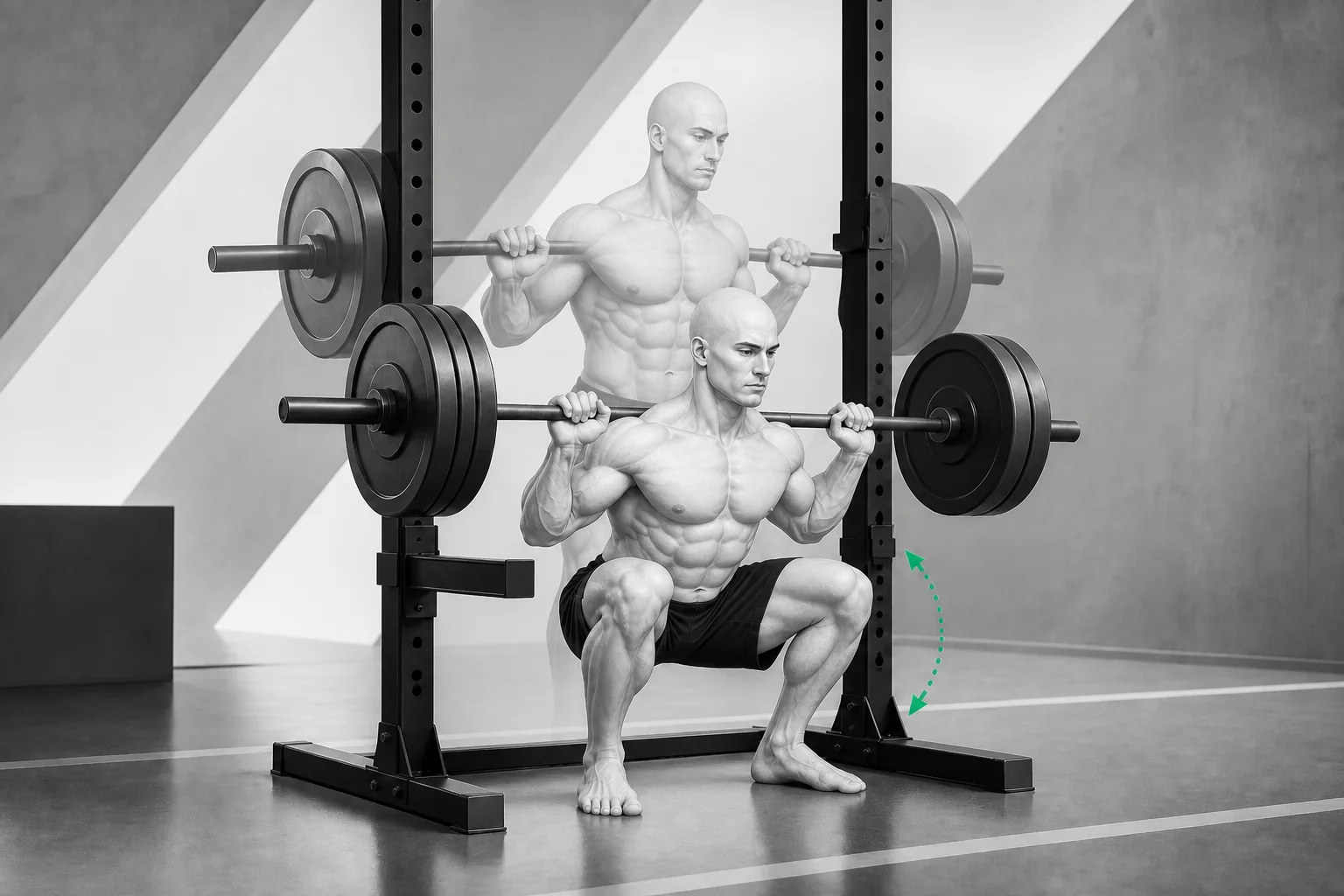
Full or Partial Range of Motion: Which Should You Use?
The evidence, lengthened partials, and a practical decision method for each exercise.
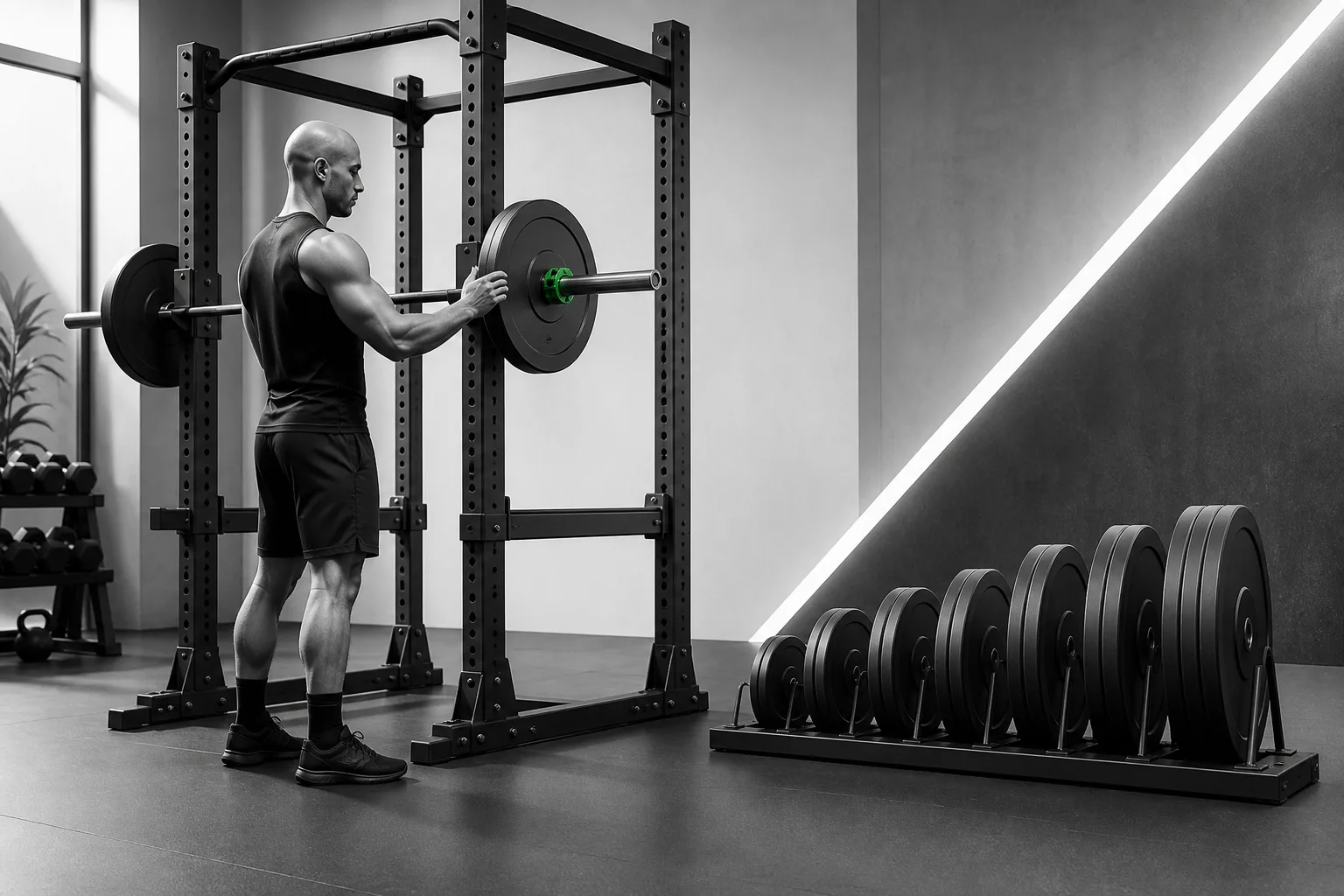
How Do You Choose a Starting Weight?
A trial set, a rep range, and an effort margin to get started.
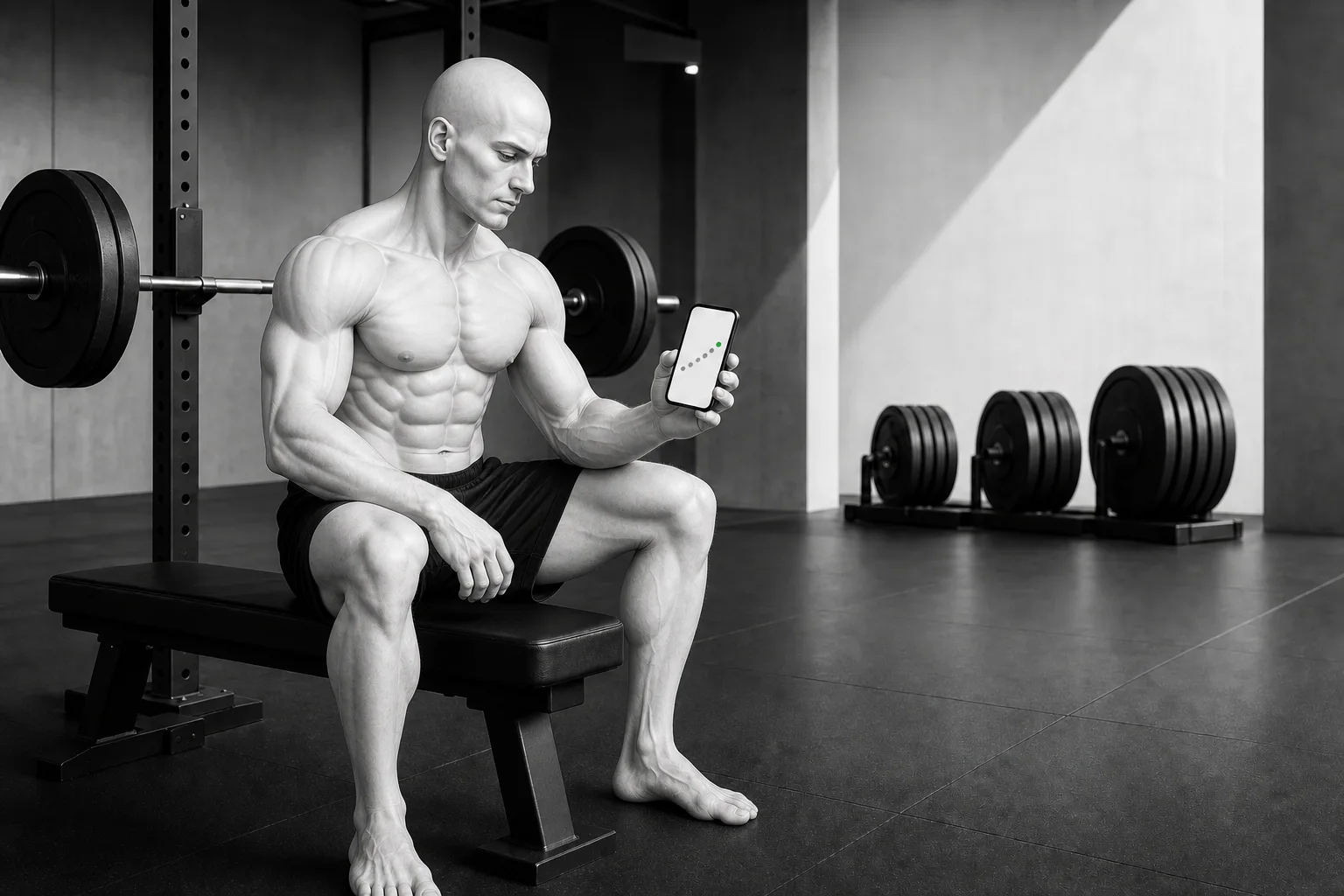
How Do You Measure Progress?
The indicators and comparisons that reveal a trend without overinterpreting one workout.
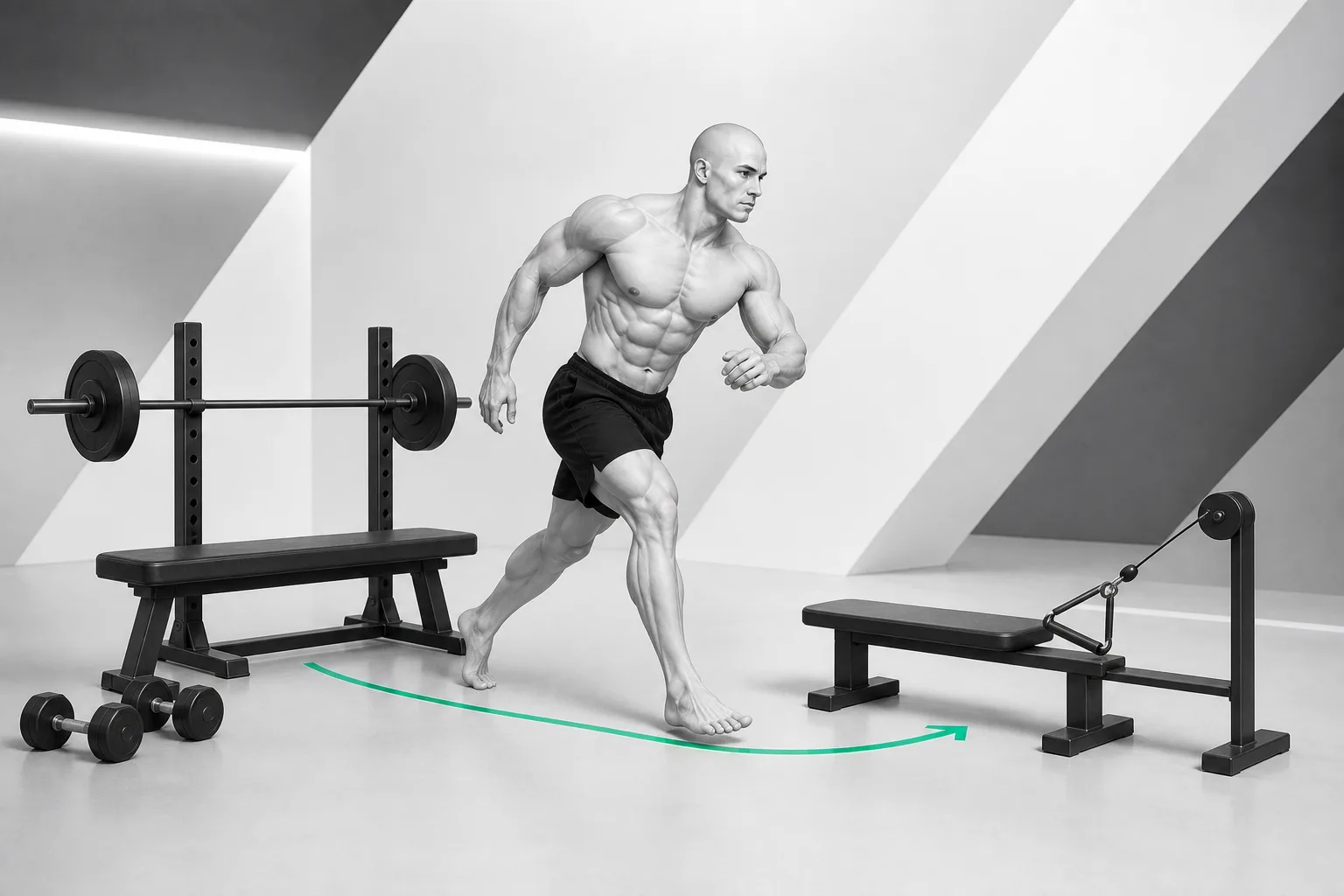
Supersets vs. straight sets: which should you choose?
A practical comparison for saving time without sacrificing priority sets.
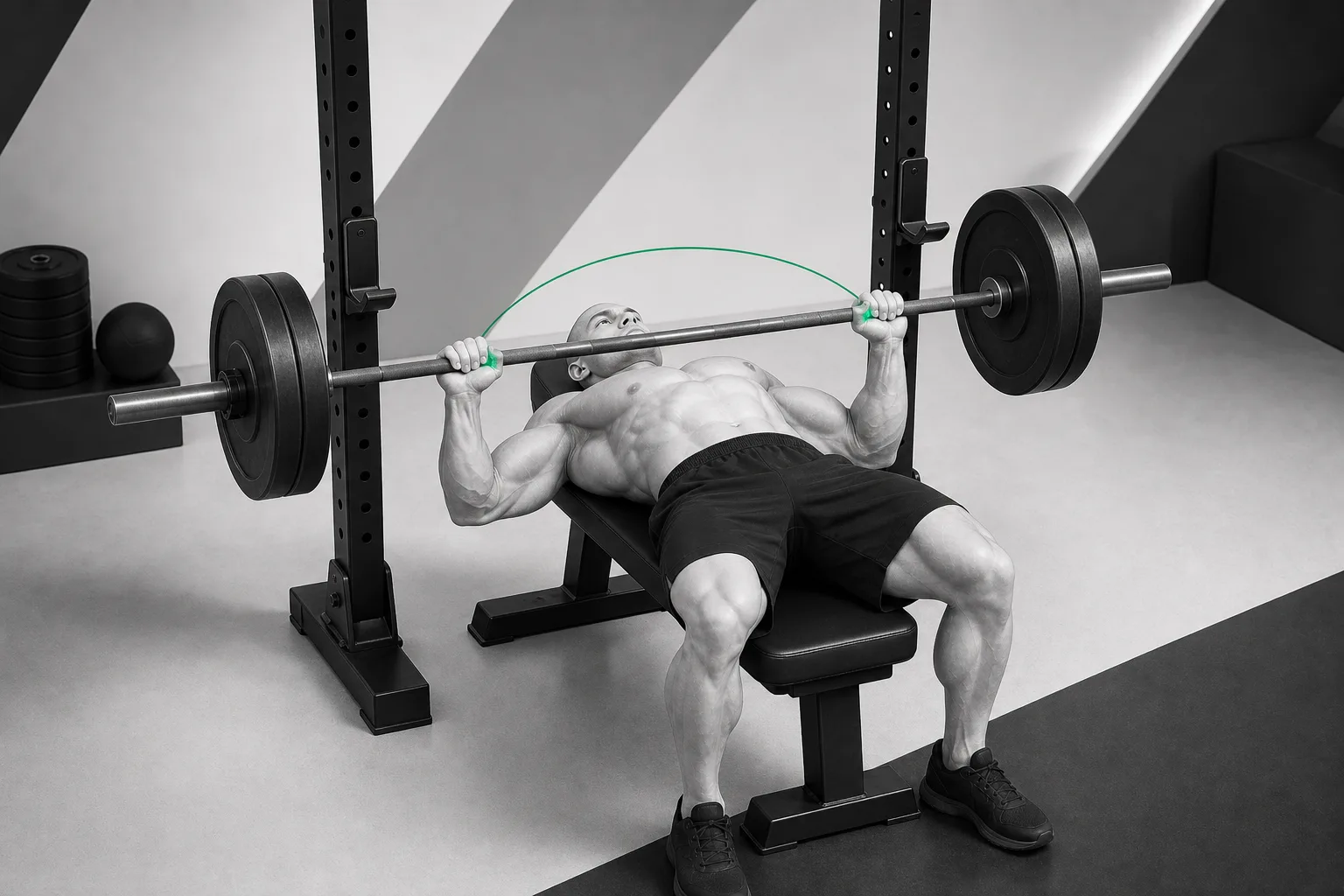
How Wide Should Your Bench Press Grip Be?
A measurable starting point, the effects of grip width, and a practical testing protocol.

How much sleep do you need to progress?
Sleep guidelines, effects of a short night, and workout adjustments.
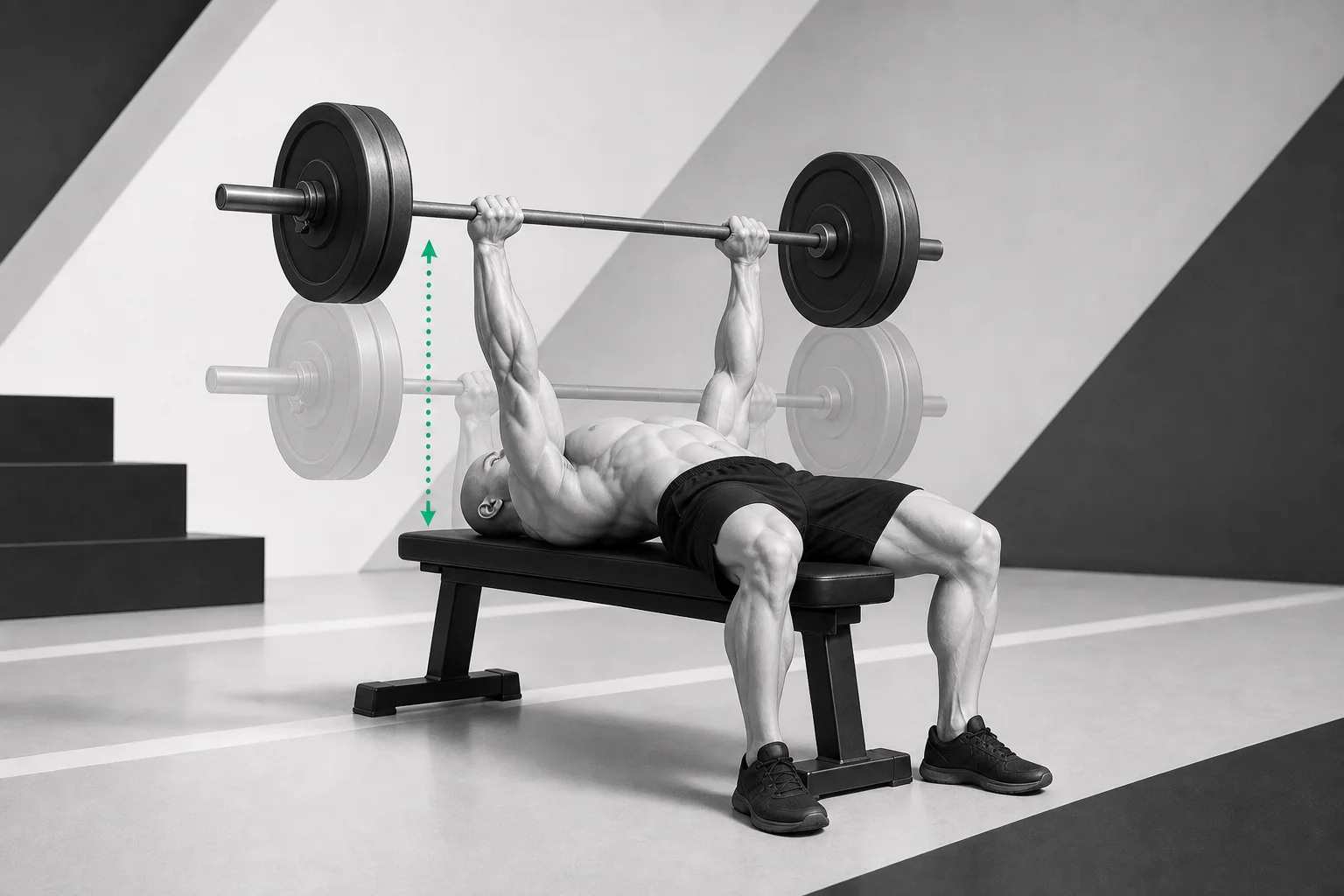
Slow or fast reps in strength training?
Controlled lowering, intentional lifting, and exercise-specific guidelines.
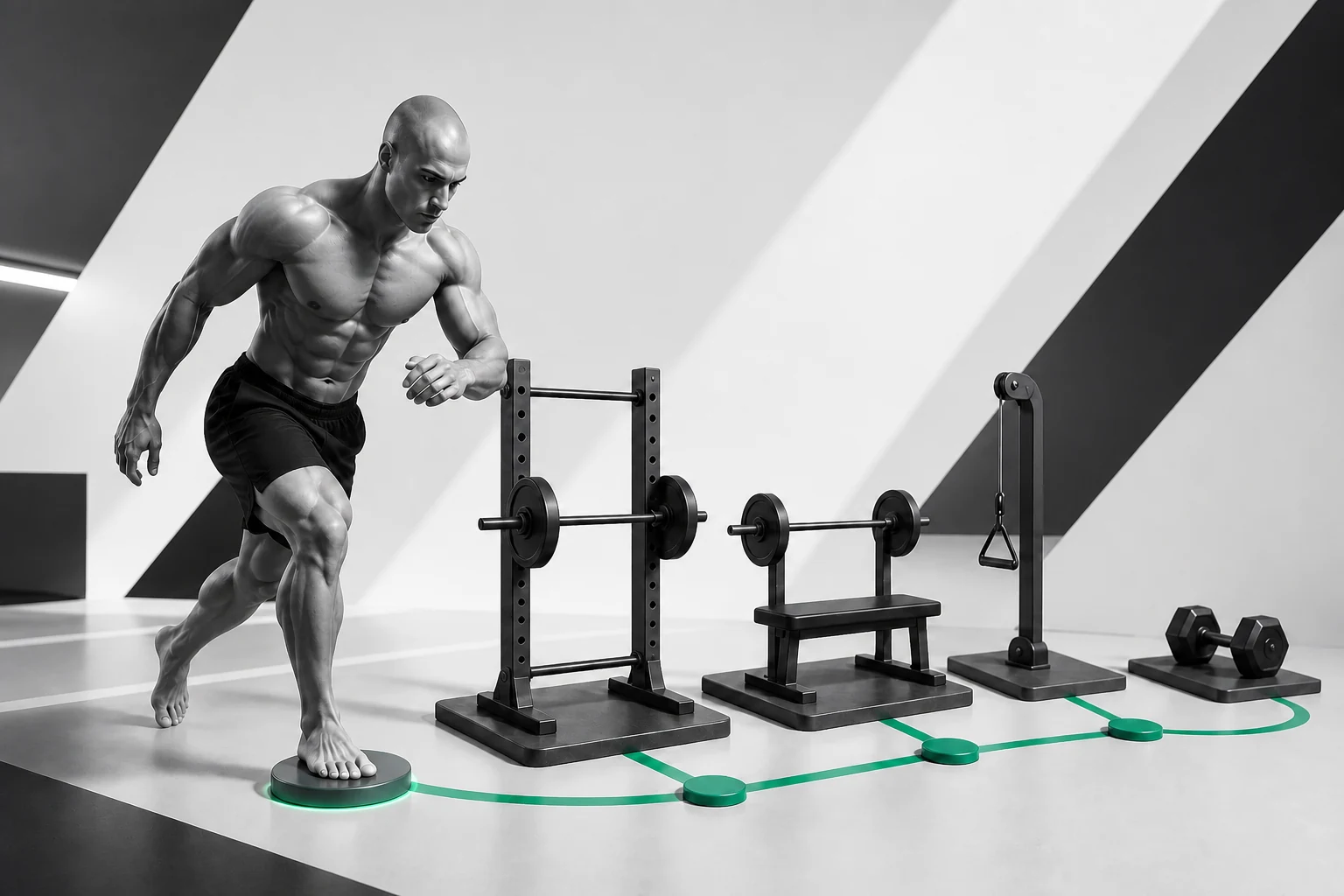
What order should you do exercises in?
A priority-based method, the available evidence, and a sample workout.
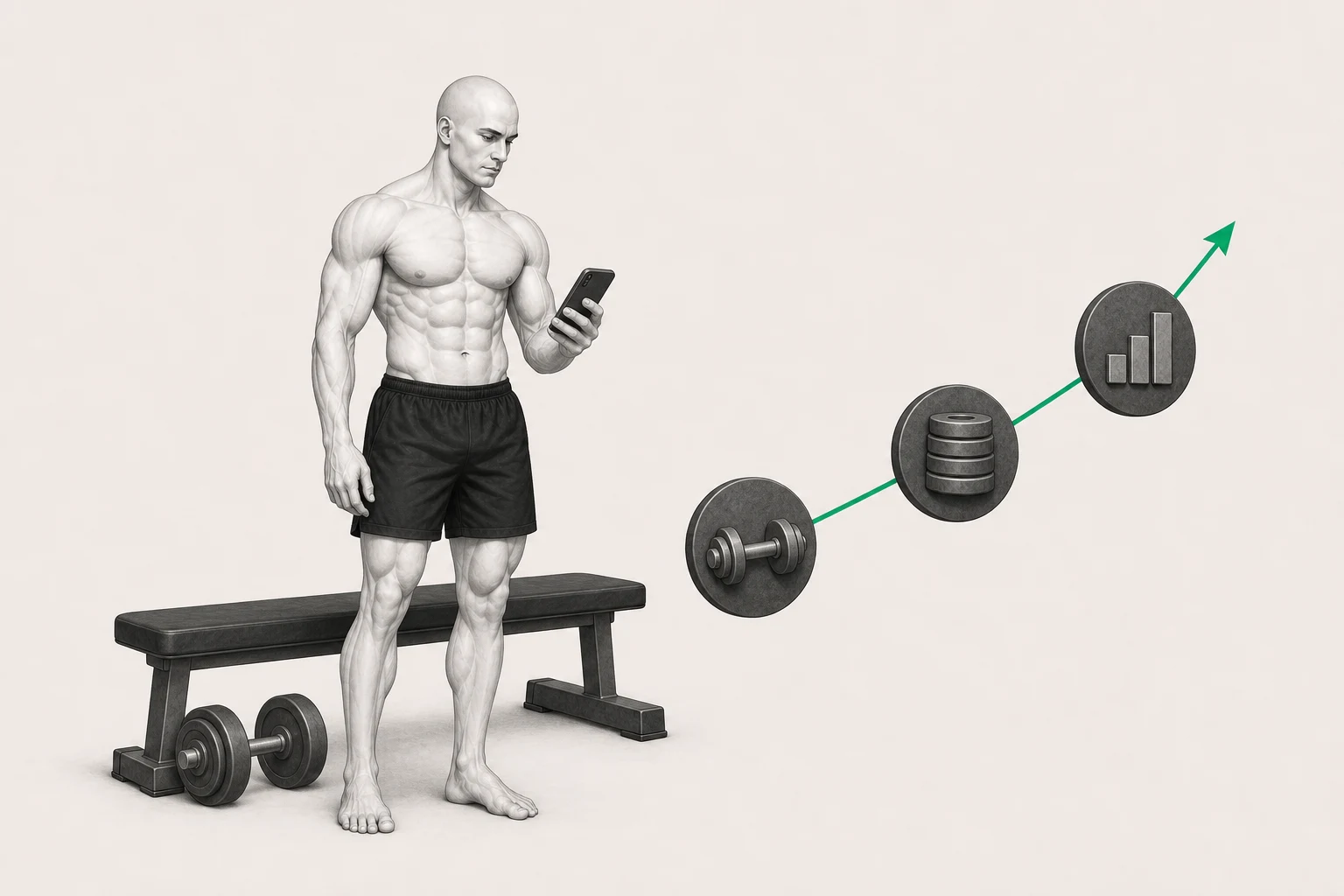
What should you track in a workout log?
The useful data for comparing sets, loads, and effort.
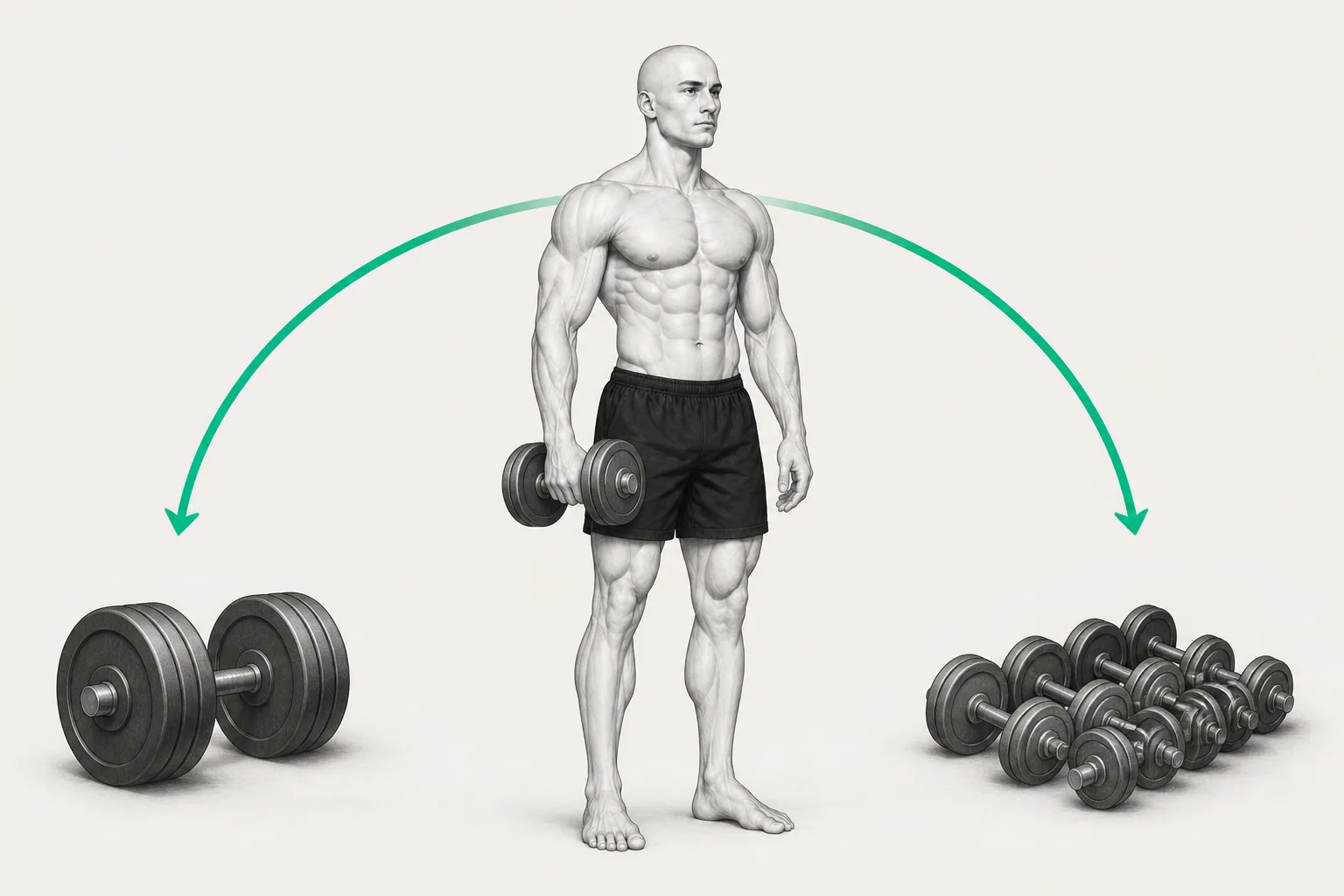
How Many Reps Should You Do to Build Muscle?
Practical rep ranges based on the exercise, load, and RIR.
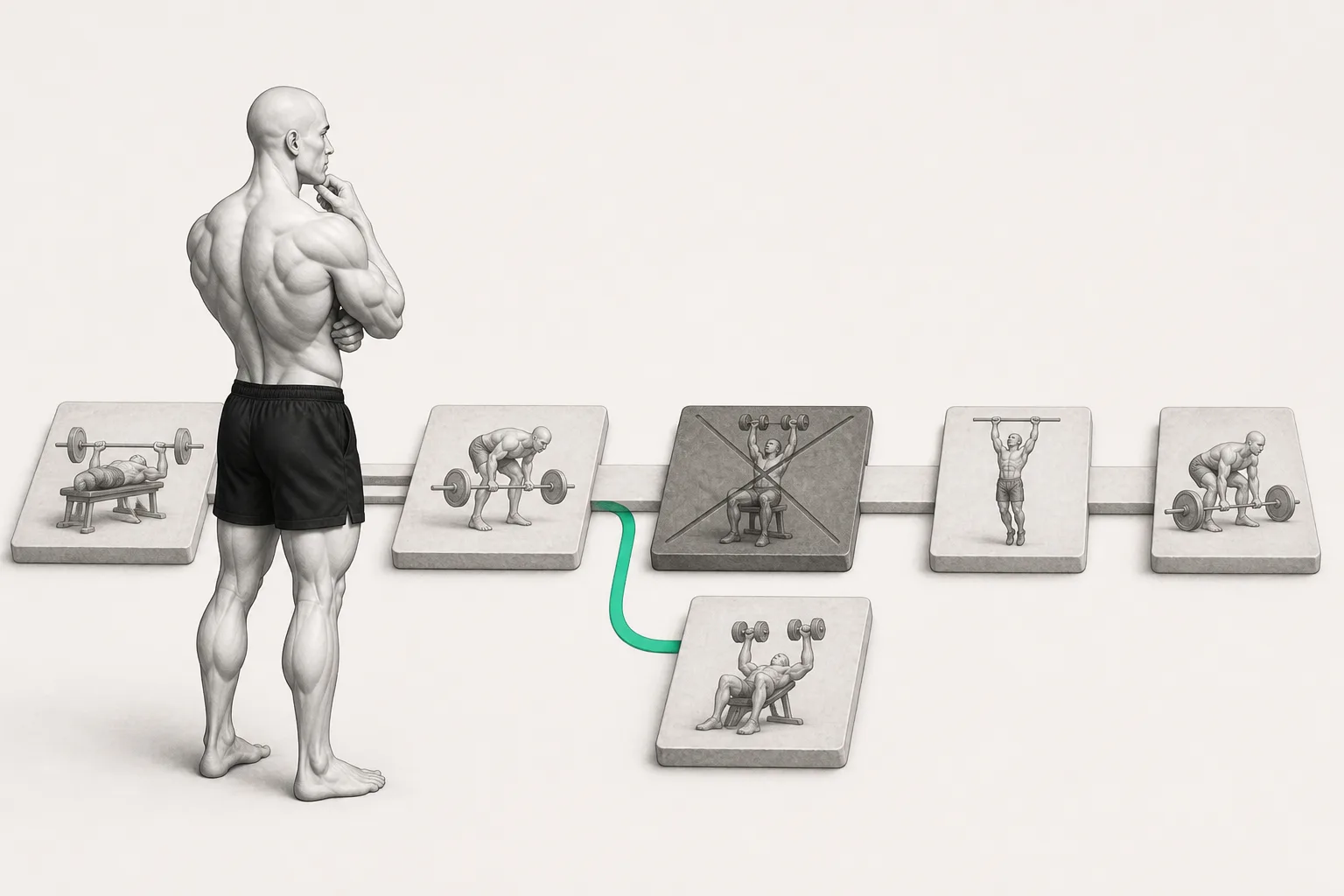
When Should You Change Your Workout Program?
Identify a genuine plateau and change only what is holding you back.
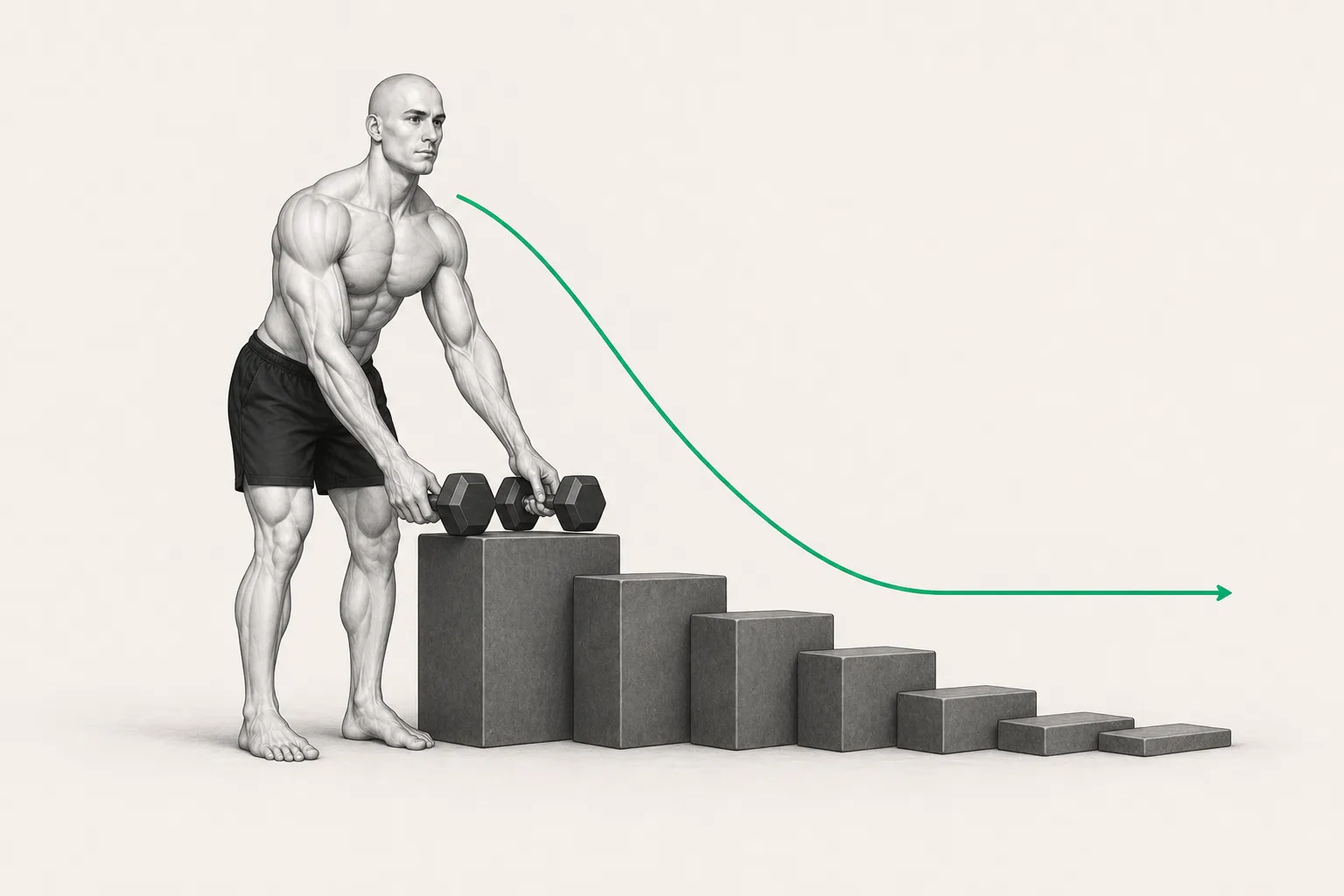
When and How Should You Take a Deload Week?
Temporarily reduce fatigue without losing your training routine.
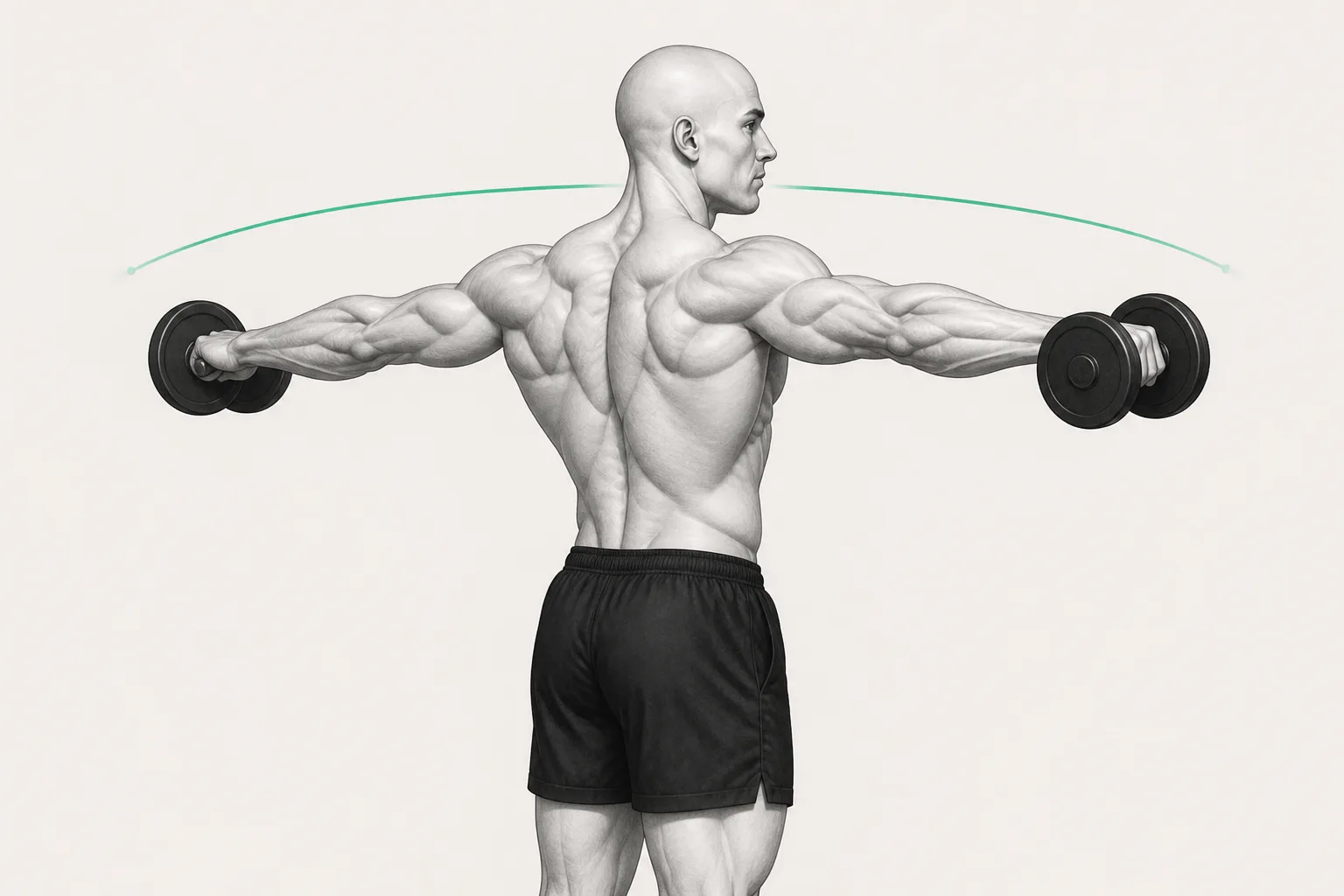
How Do You Build Wider Shoulders?
Side delts, rear delts, volume, and progression.
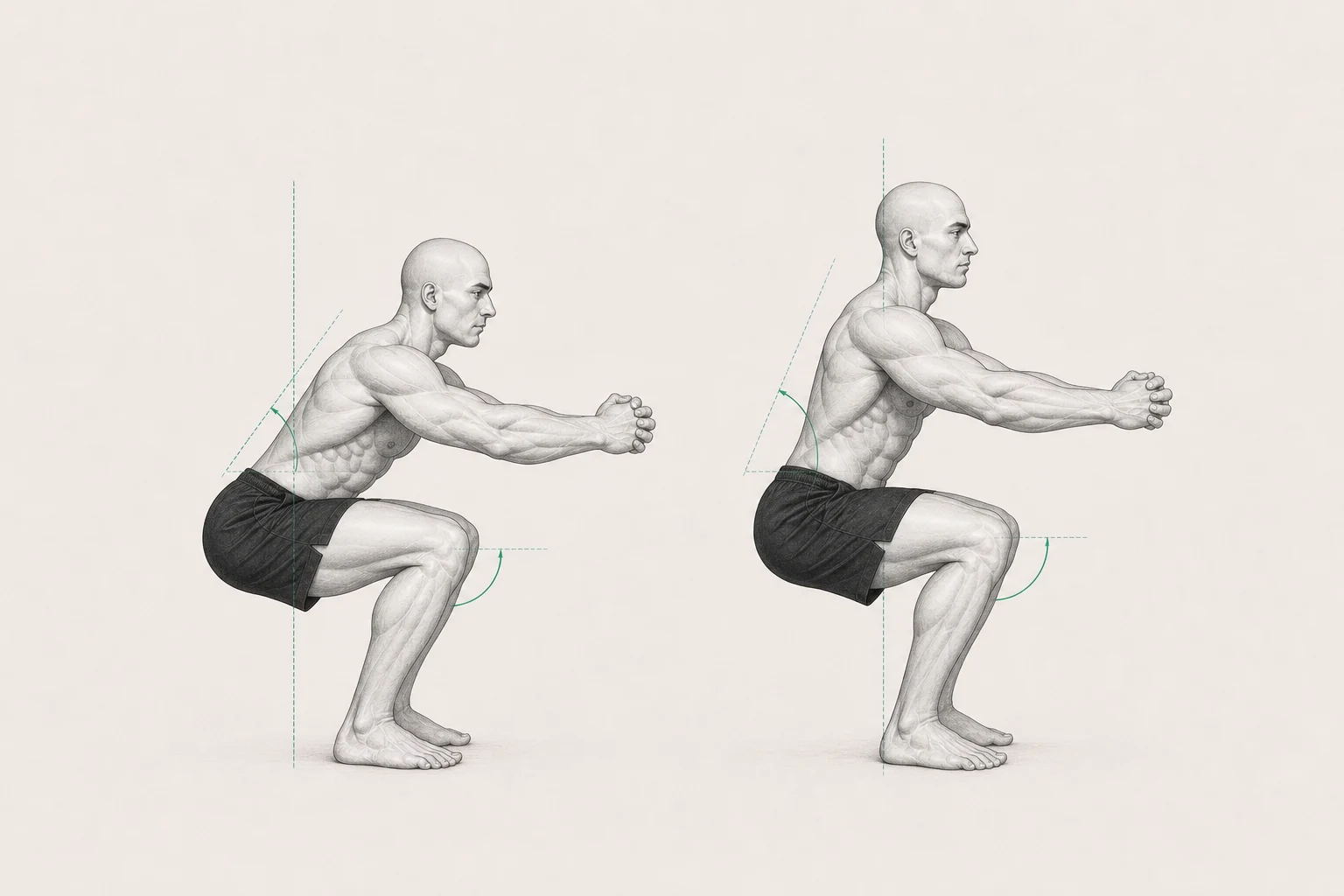
How Do You Adapt Exercises to Your Body Proportions?
Setups, ranges of motion, and variations suited to your proportions.
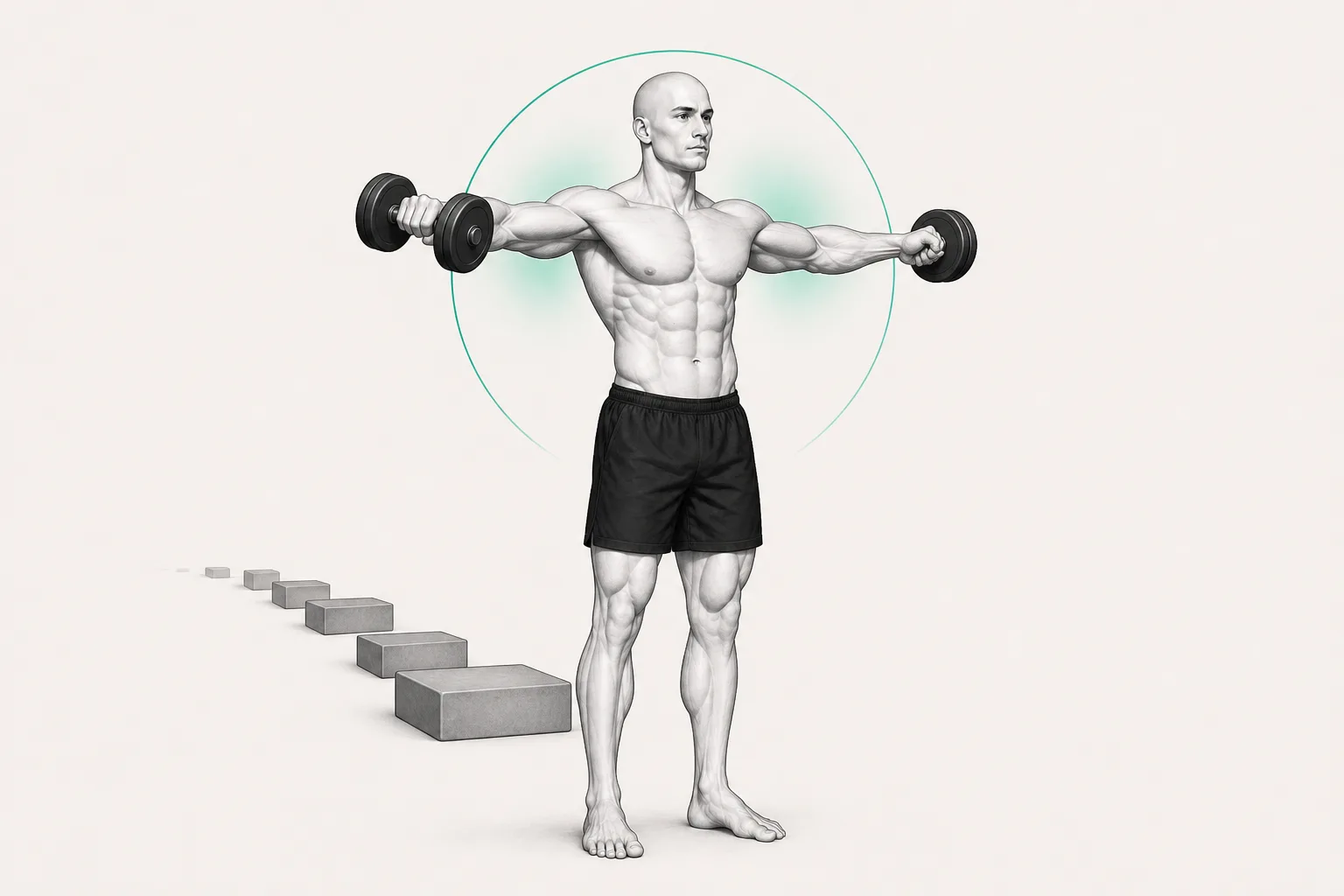
How to Bring Up a Lagging Muscle
Priority, volume, exercises and tracking over 6 to 10 weeks.

How Much Protein Do You Need per Day?
A practical target based on body weight, with examples and a simple daily distribution.
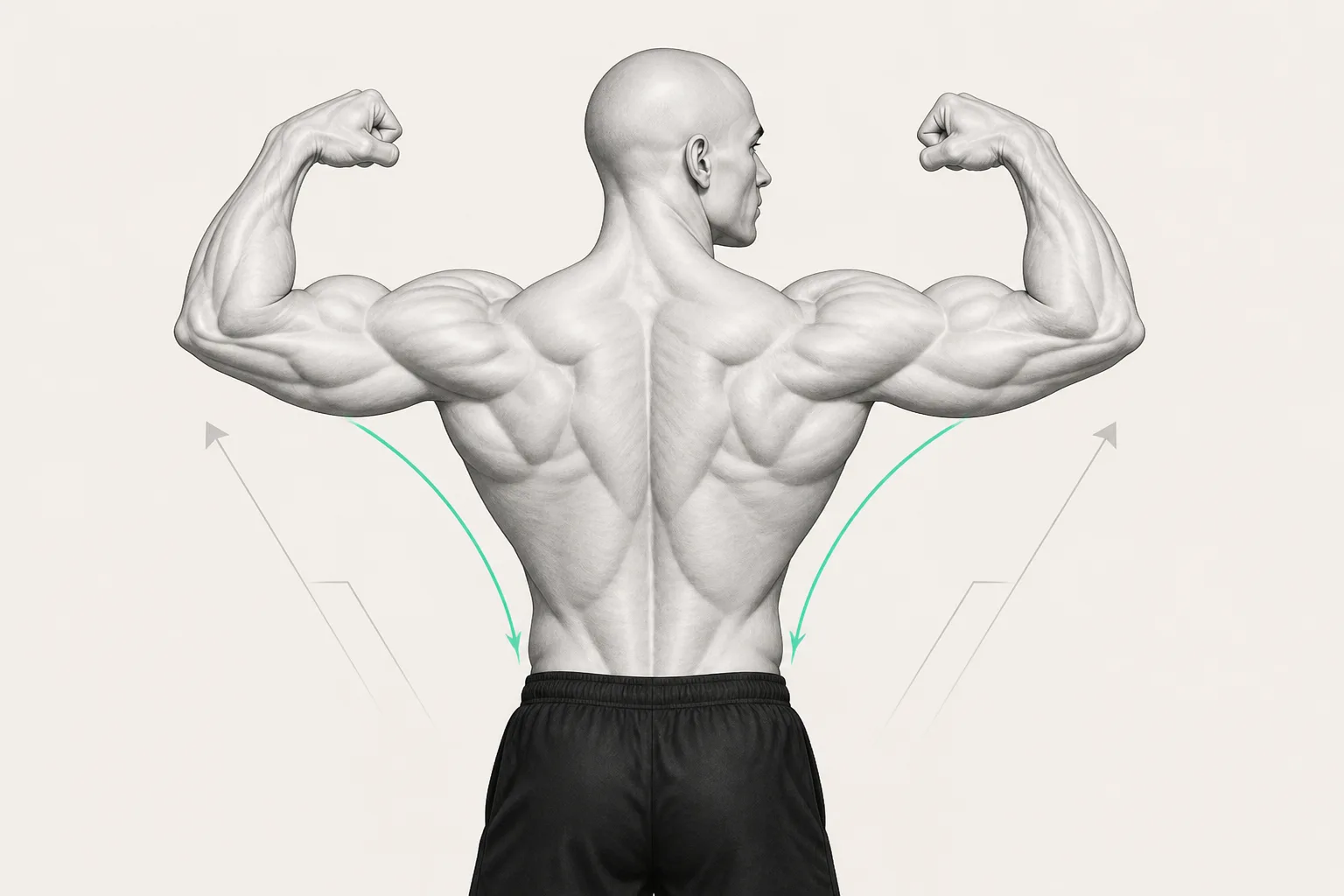
How to Build a V-Taper
Lats, side delts, upper chest, and a sample training plan.
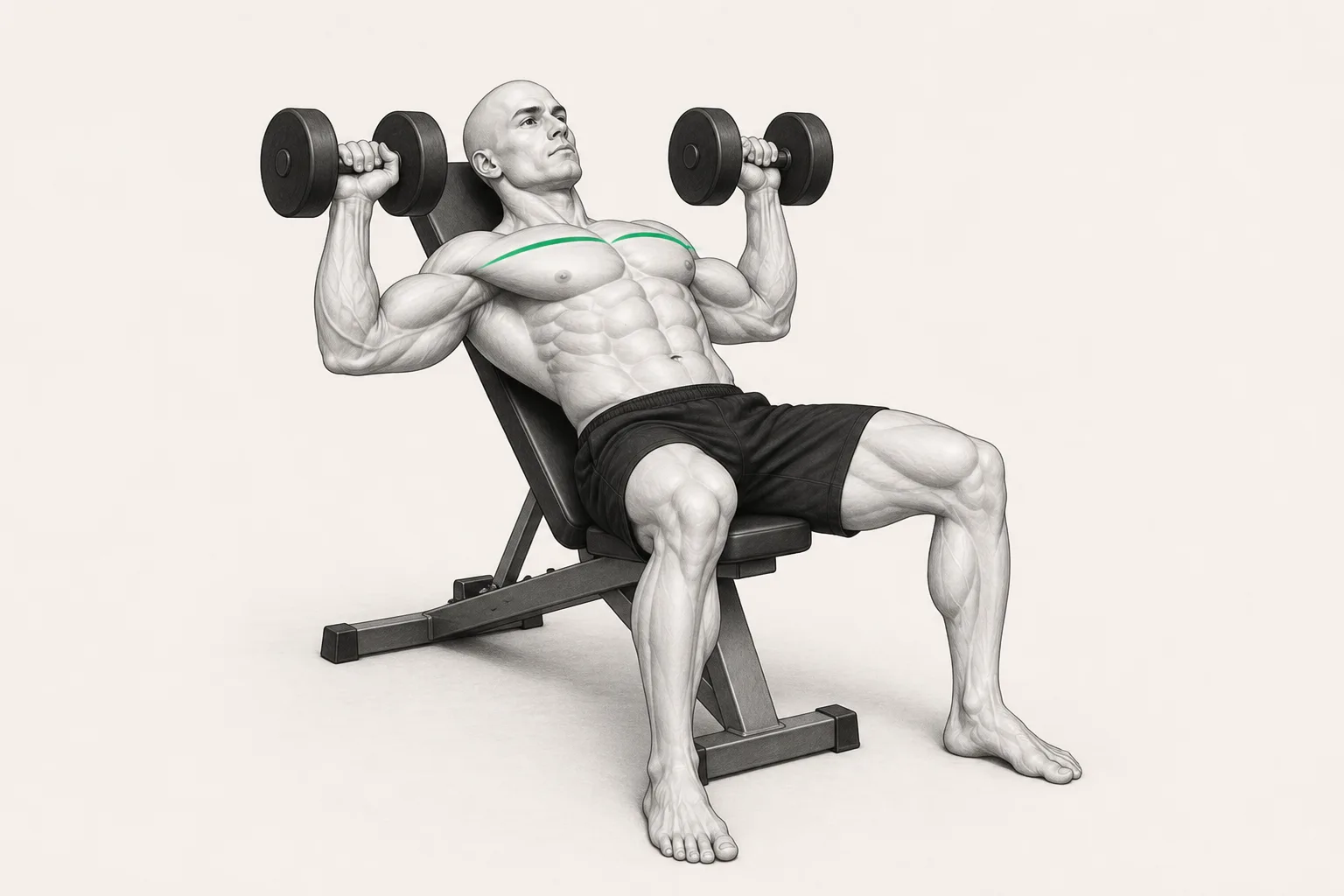
How to Build Your Upper Chest
Exercise selection, incline angle, volume, frequency, and progression across two weekly workouts.
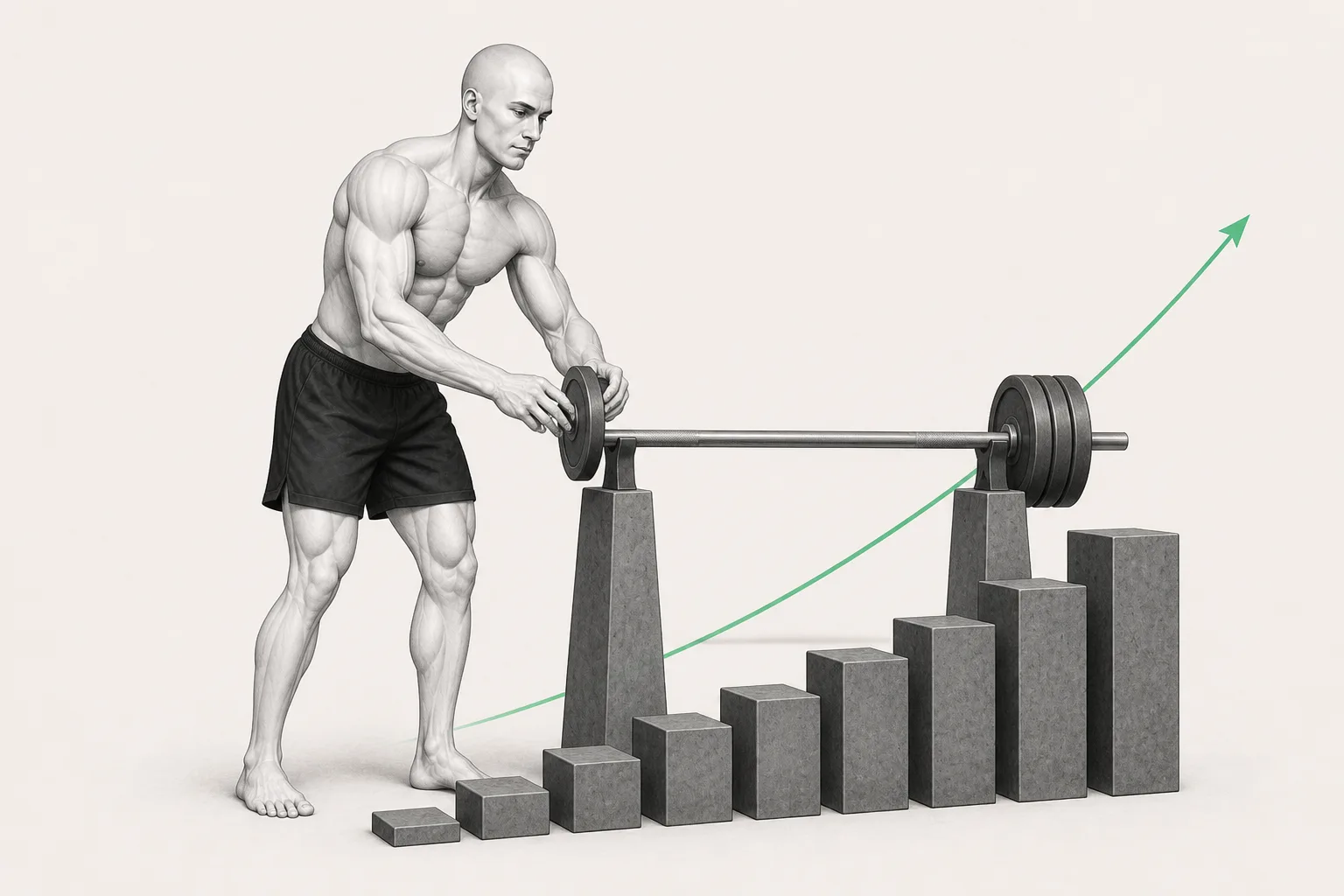
How to Apply Progressive Overload
Progress through reps, load, sets, and double progression without making random increases.
RIR and muscle failure
Estimate reps in reserve and learn when taking a set to failure is useful.
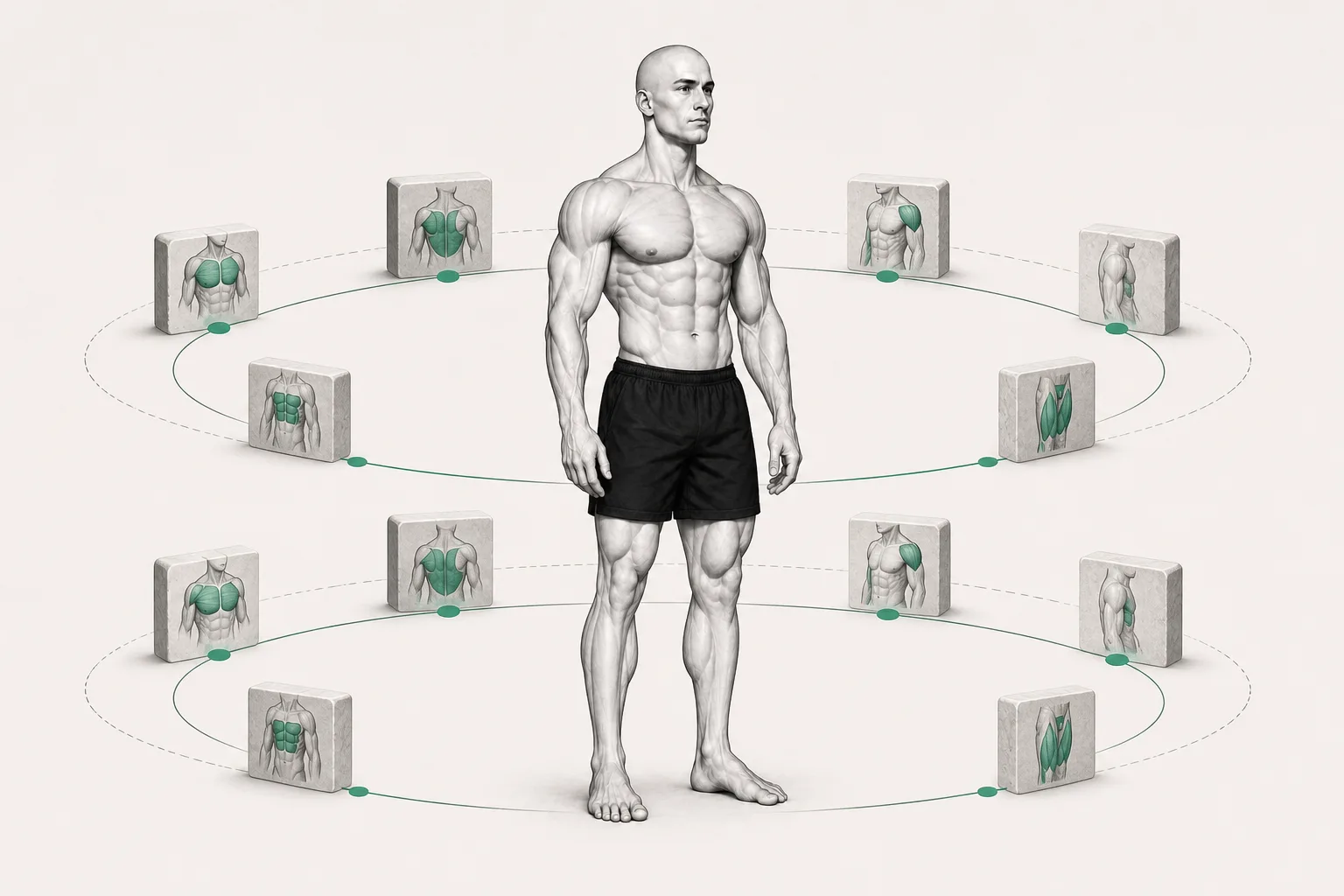
How Many Times per Week Should You Train Each Muscle?
Choose one, two, or three weekly sessions based on volume and recovery.
How long should you rest between sets?
Practical rest guidelines based on the exercise, load, and purpose of the set.
Three-, Four-, or Five-Day Workout Programs
Three complete training splits for building a realistic week.
How do you correct a muscle imbalance?
Verify the imbalance, choose one priority, and track it consistently.
Weekly strength-training volume
Definition, calculation, ranges, and adjustment criteria.
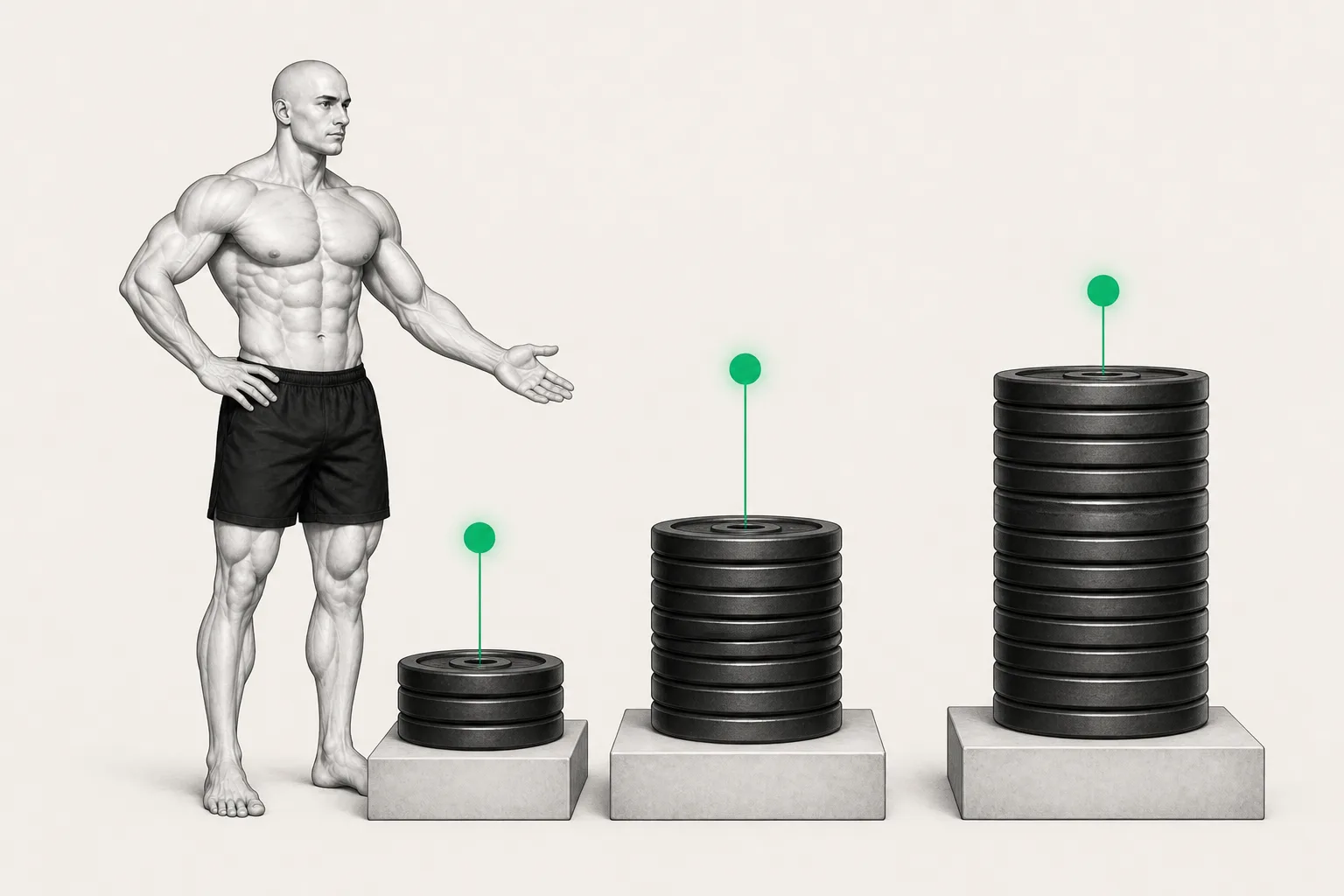
How many sets per muscle per week?
Practical set ranges based on experience, frequency, and recovery.
No results
No articles match this search.
Try a broader topic, such as “protein,” “progress,” or “program.”
Method
Observe, program, measure.
The contents link a body observation to a training decision then to a tracking indicator. The useful answer comes before the presentation of the application.
Observe
Create comparable references and distinguish a visual gap from a performance gap.
Program
Choose a priority and spread out the exercises and sets in a realistic week.
Measure
Track performance and recovery before changing a single lever.
In the app
Turn your physique analysis into a personalized workout plan.
ShapeVision connects your analysis, program, and performance data to help you decide what to work on next.